





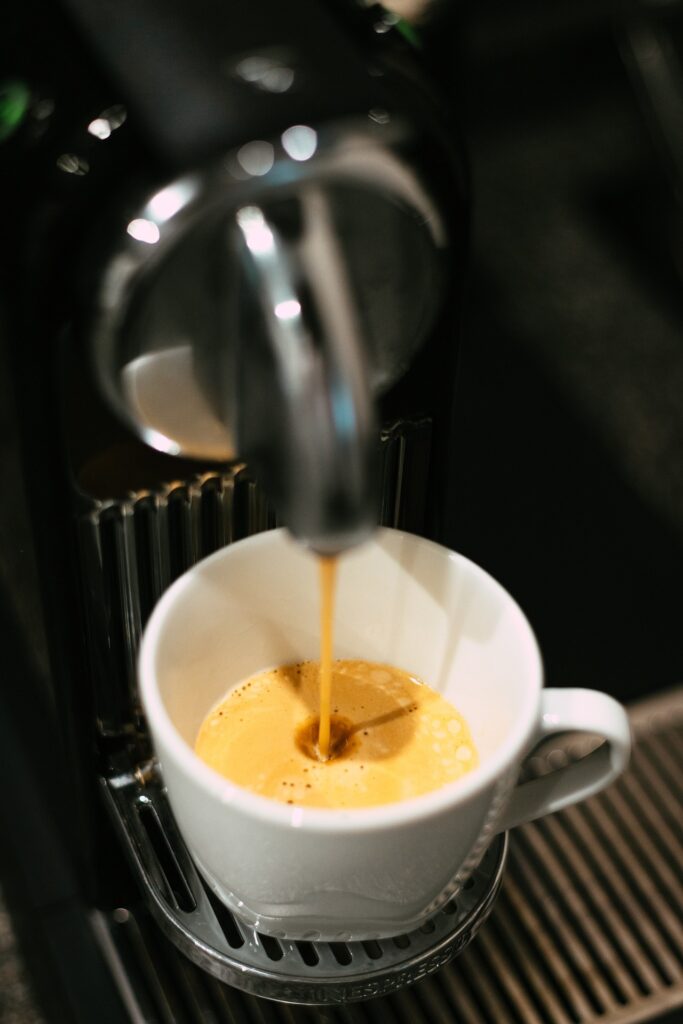
By the time the city wakes, Nespresso has already whispered itself into millions of people’s mornings.
Aluminum crescents glint in kitchen bins like spent moonlight, and each one trace a promise: barista‑level coffee, at the push of a button, in homes where time is scarce but expectations are high.
This is a story of a brand that turned a commodity into a ritual, a capsule into a recurring revenue stream, and a cup of coffee into a quiet theatre of status. Yet beneath the crema lies a complex blend of innovation, exclusivity, environmental strain, and competitive heat.


Context
Nespresso began in the 1980s as Nestlé’s experiment in professionalizing espresso at home. Its model was deceptively simple:
- Sell sleek, relatively affordable machines.
- Lock customers into proprietary capsules.
- Wrap the entire experience in the language of luxury and connoisseurship.
The timing proved prescient. As global middle classes expanded and café culture spread, consumers wanted premium coffee without leaving home. Nespresso positioned itself as the bridge between the Italian espresso bar and the modern kitchen counter, elevating coffee from a functional beverage to an aspirational lifestyle marker.
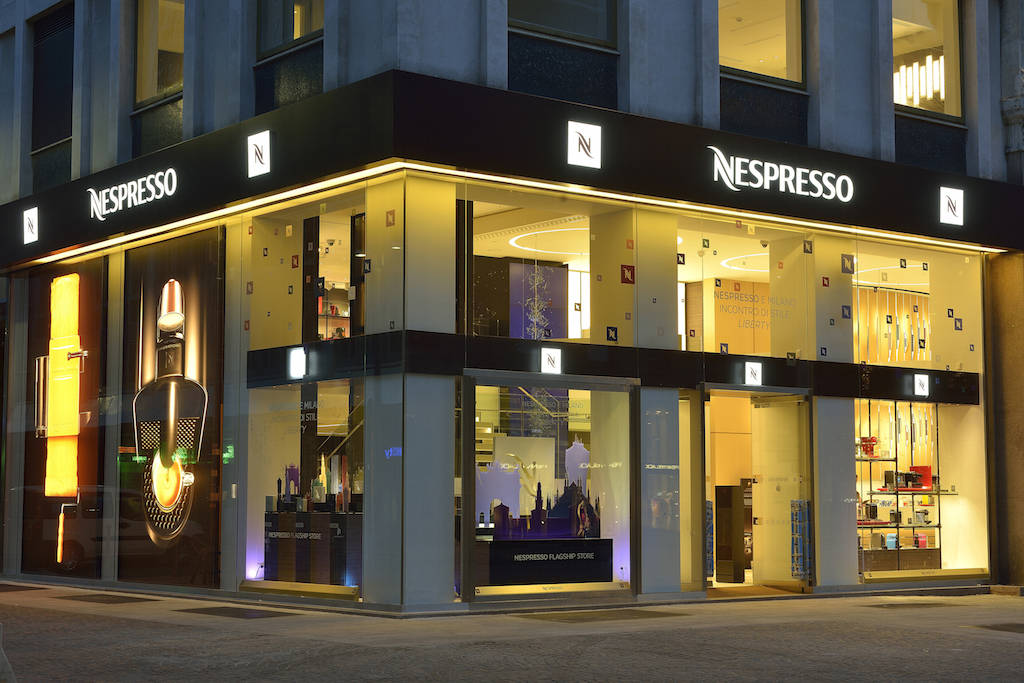
The company’s Club Membership concept, boutique stores, and George Clooney–fronted campaigns, reinforced this aura of exclusivity, meanwhile Nestlé’s industrial scale delivered consistent quality and broad availability. For years, Nespresso enjoyed near-monopoly margins, protected by patents and know-how. As patents expired and cultural priorities shifted toward sustainability and authenticity, the market landscape around Nespresso changed dramatically.



Challenge
Nespresso now operates in a far less forgiving environment than the one it helped create. On one side, premium competitors—from Starbucks to local specialty roasters—offer capsules, pods, and beans that match or exceed Nespresso’s taste and storytelling. On the other, low-cost private-label capsules erode pricing power, treating Nespresso machines as open platforms rather than closed ecosystems.
At the same time, the aluminum capsule once a symbol of technological refinement has become a lightning rod for environmental criticism. While Nespresso has invested in recycling programs and circularity initiatives, public perception struggles to keep pace.
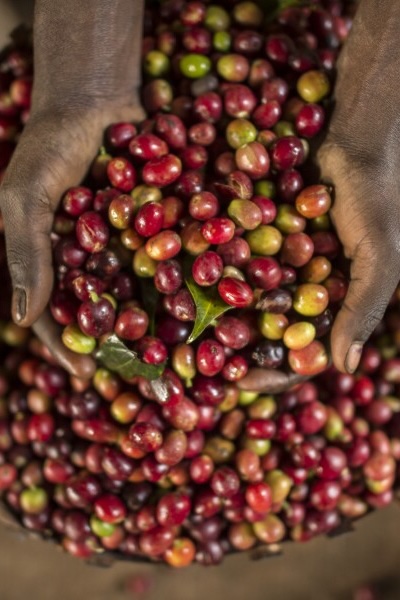
Consumer expectations are also evolving. Many younger drinkers seek transparency (farm-to-cup traceability), ethical sourcing, and more artisanal experiences over polished corporate luxury.
The core challenge: how can Nespresso maintain premium positioning and profitable recurring revenue while responding credibly to sustainability pressure, intensifying competition, and more values-driven consumer behavior?

Analysis
At its heart, Nespresso is a razor-and-blade business: machines drive capsule sales, and capsules drive margins. The brand’s strength lies in three dimensions:
System lock-in and convenience
- Installed base of tens of millions of machines globally.
- Seamless, consistent experience with minimal skill required.
- Subscriptions and direct-to-consumer channels deepen habitual use.
Brand and experiential moat
- Strong association with refinement, design, and reliability.
- Boutique retail, Club membership, and curated ranges (e.g., limited editions) building emotional attachment.
- Premium pricing signals quality and status, especially in markets where coffee is part of social identity.
Operational scale and sourcing
- Nestlé scale supports global supply chains, quality control, and R&D.
- Investments in AAA Sustainable Quality™ programs and partnerships with farmers.
However, vulnerabilities are widening:
Commoditization risk
- After patent expiries, third-party capsules proliferated, pressuring price premiums.
- Vertuo’s more complex system partly restores exclusivity, but competitors are catching up with compatible formats.
Sustainability and reputation
- Aluminum is recyclable, but collection and actual recycling rates vary widely.
- Public narrative often simplifies to “pods = waste,” overshadowing more nuanced lifecycle assessments.
- Climate risk in coffee-growing regions threatens long-term supply and quality.
Cultural fit with emerging consumers
- Younger segments lean toward craft, local, and transparent brands.
- A highly polished, celebrity-driven image can feel “corporate” and distant.
Nespresso must therefore transition from a premium hardware-plus-pod system to a more holistic, mission-driven platform—centered on sustainable, traceable, and personalized coffee experiences.
What if we have a crystal ball…
To navigate the next decade, Nespresso should pursue a strategy that deepens loyalty, broadens relevance, and makes sustainability both visible and commercially central.
By executing these moves, Nespresso can defend its premium margins not just through convenience and brand, but through demonstrable impact and richer, more personal relationships with its customers.
Reinvent the Value Proposition around Ethical Excellence
- Shift brand narrative from luxury convenience to exceptional coffee with measurable positive impact.
- For each line (e.g., Original, Vertuo), communicate clear sustainability metrics: % recycled aluminum, % regenerative agriculture sourcing, carbon footprint per capsule.
- Introduce somehow Impact Editions where a defined share of revenue funds specific projects in farming communities, with transparent reporting.
Make sustainability tangible in the customer journey
- Simplify capsule recycling default free pick-up with home deliveries where logistics allow.
- Clear, consistent communication on how capsules are processed and repurposed.
- Explore deposit or incentive schemes (e.g., loyalty points for returned capsules).
- Pilot next-generation materials (e.g., fully compostable or bio-based capsules) where feasible, while preserving quality.
Deepen personalization and data-driven engagement
- Expand subscription models with dynamic recommendations based on taste profiles, consumption patterns, and seasonal offerings.
- Use first-party data to segment profiles by values (e.g., flavor explorers, sustainability-conscious, price-sensitive) and tailor messaging accordingly.
Broaden cultural relevance
- Co-create limited editions with renowned baristas, small roasters, or origin-country artists to bring authenticity and locality into a global brand.
- Invest in educational content (short-form masterclasses, origin stories, brewing science) to move from capsule brand to coffee authority.
Conclusions
Nespresso’s story to date has been one of orchestrated control: of technology, supply chains, and brand theatre. The next chapter demands a different virtuosity that embraces transparency, collaboration, and environmental accountability without sacrificing the elegance that made Nespresso iconic.
If it can convincingly recast each capsule as a small act of both pleasure and responsibility, Nespresso will retain its place on kitchen counters not as a relic of an earlier premium era, but as a pioneer of a more conscious, data-enabled coffee culture. The aroma of its future success will be judged in both taste and trust.