




In the half-light of a global marketplace, a swoosh cuts through the noise like a comet’s tail: not leather and rubber in motion, but the idea of motion itself.
A whisper in a runner’s ear: you Just do it.
Decades of victories, scandals, reinventions swirl around a logo drawn in a single stroke. Nike stands at a precipice of its own making: admired, questioned, imitated. Its future will not be won by speed alone, but by the courage to redefine what it means
to Just do it in a changing world.

Context
Nike, founded in 1964 as Blue Ribbon Sports and rebranded in 1971, has grown from a niche athletic shoe distributor into the world’s leading sportswear and athletic lifestyle brand. Its model is asset-light in manufacturing but heavy in brand equity and design. Nike outsources production to a global network of suppliers, focusing its internal strengths on product innovation, marketing, and direct-to-consumer channels.
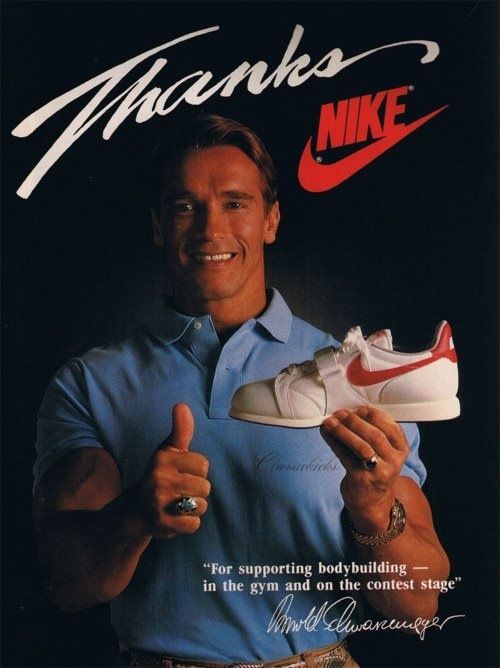
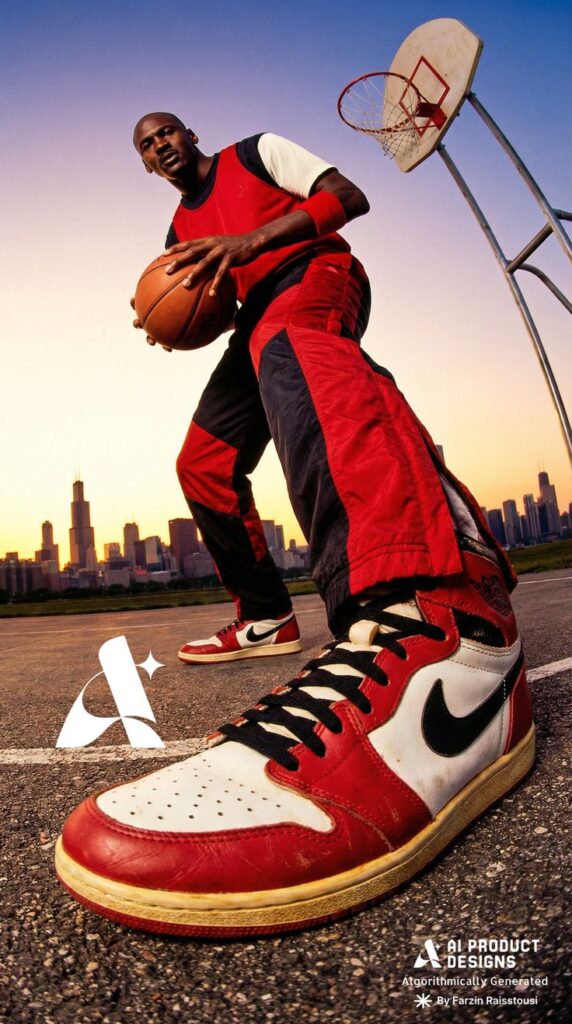
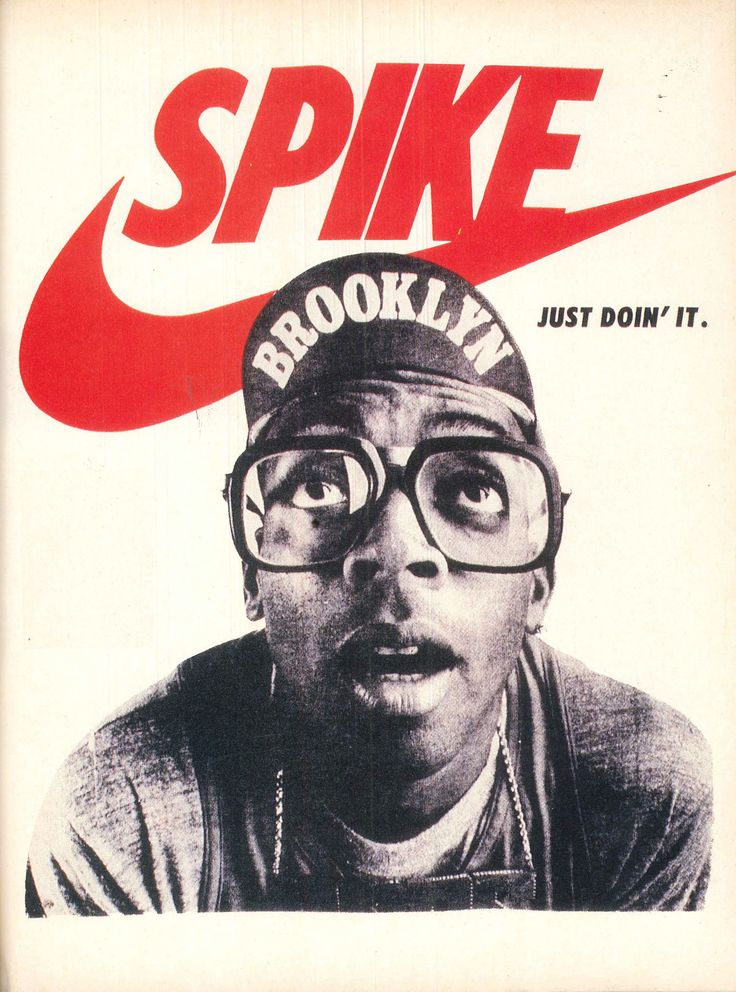
The company’s rise has been powered by three structural tailwinds: the global expansion of middle-class consumers, the fusion of sportswear and everyday fashion, athleisure, and the digitization of sport and fitness. Nike’s partnerships with superstar athletes, leagues, and cultural icons have transformed it into a symbol that extends beyond performance into identity and aspiration.
After years, the environment around Nike has shifted: consumers are more values-driven, competition is sharper, supply chains more fragile, and digital engagement is now a baseline expectation, not a differentiator.

Challenge
Nike’s core challenge is to sustain premium growth and cultural relevance in a market where its historic differentiators are being eroded. Competitors like Adidas, Puma, Lululemon, On, and Hoka have sharpened their propositions, some winning in performance niches, others in community-centric branding or sustainability. At the same time, new digitally-native Brands and influencers can reach global audiences without massive traditional media budgets.
Internally, Nike must balance scale with authenticity. Its brand has courted controversy through high-profile social justice campaigns, while simultaneously facing criticism over labor practices and environmental impact. Younger consumers are quicker to call out inconsistency between message and behavior, and they have alternatives.
Operationally, the company faces margin pressure from inflation, logistics volatility, and the costs of digital transformation. The question is not whether Nike can sell more shoes, but whether it can convincingly evolve into a tech-enabled, sustainable, community-platform without diluting its iconic brand.
Analysis
Brand and consumer perception
Nike remains one of the world’s most valuable and recognizable brands. Its storytelling, rooted in ambition, defiance, and inclusivity, continues to resonate. Yet, brand stretch into lifestyle categories has blurred the line between performance credibility and fashion. For élite athletes this is still an advantage, for casual consumers it risks commoditization if everyone offers cool athleisure.
Product and category portfolio
Nike’s dominance in running, basketball, and training is being chipped away at the edges. Challenger Brands focus intensely on specific use cases (e.g., performance running or yoga) and build communities around them. Nike’s broad portfolio can appear less focused, and innovation cycles are pressured by fast-changing tastes and sustainability expectations.
Operations and supply chain
The asset-light model provides flexibility but exposes Nike to reputational and execution risk. Scrutiny of labor conditions, geopolitical tensions, and climate-related disruptions increase volatility. Inventory misalignment, too much of the wrong product in the wrong place, as example, an quickly erode margins and brand cachet via discounting.
Digital ecosystem and data
Nike has made real strides with its apps, direct-to-consumer (DTC) focus, and membership programs. The opportunity is to leverage this data not just to sell more, but to deepen coaching, personalization, and community. Currently, the experience is somewhat fragmented: apps, online store, and in-store experiences are not always seamlessly integrated around a single, evolving member identity.
Key implications
Brand equity is strong but less than in the past, as value-based scrutiny intensifies. Category breadth is a strength but dilutes perceived expertise in critical niches. Supply chain and sustainability are now strategic risk and brand levers, not back-office concerns. Digital assets exist but need to evolve from sales channels to a coherent ecosystem.

Next steps to climb
Reassert performance leadership
Double down on hero categories: Focus R&D and marketing on a few flagship sports where Nike can unambiguously claim best-in-class performance (e.g., running, basketball, training).
Segment clearly between performance and lifestyle: Create more visible separation, through design, pricing, and distribution, between elite performance lines and lifestyle collections to preserve technical credibility and margin.
Collaborative innovation labs: Expand co-creation with athletes, teams, and universities, positioning them as open innovation labs that feed élite and consumer lines.
Humanize: Align purpose, sustainability, and community
Transparent sustainability roadmap: Set and communicate measurable targets for circular products, carbon reduction, and fair labor practice, with accessible progress reporting for consumers.
Hyperlocal community initiatives: Invest in city-level and neighborhood-level programs (runs, clinics, inclusive sports events) led by local ambassadors, not just global celebrities.
Continue inclusive campaigns grounding them in sustained programs: scholarships, grassroots funding, and co-owned initiatives—so marketing reflects real, ongoing commitments.
Build a coherent digital-member ecosystem
One Nike ID: Integrate all apps, online, and in-store experiences around a single member identity with progressive personalization, training plans, product recommendations, and community invitations.
From commerce to coaching: Reframe digital platforms as performance companions, where product recommendations are a by-product of training, health insights, and peer support.
Data-driven supply chain: Use membership and usage data to guide demand forecasting, local assortments, and near-shoring decisions, reducing waste and stock-outs simultaneously.
Together, these moves shift Nike from being a product-led icon to a performance, community, and sustainability platform.

Conclusions
Nike’s story has always been about movement of bodies, of culture, of expectations. Today, its most important race is not against a single rival, but against irrelevance in a world that expects more than great products and clever ads. The company stands with rare advantages: global reach, deep emotional resonance, and meaningful digital foundations.
The path forward is to sharpen what it stands for in performance, humanize its impact on people and planet, and orchestrate its digital ecosystem into a unified, member-centric experience. If Nike can Just Do It on these fronts, the swoosh will continue to symbolize not just speed, but progress.