





Addis Ababa, November 2021
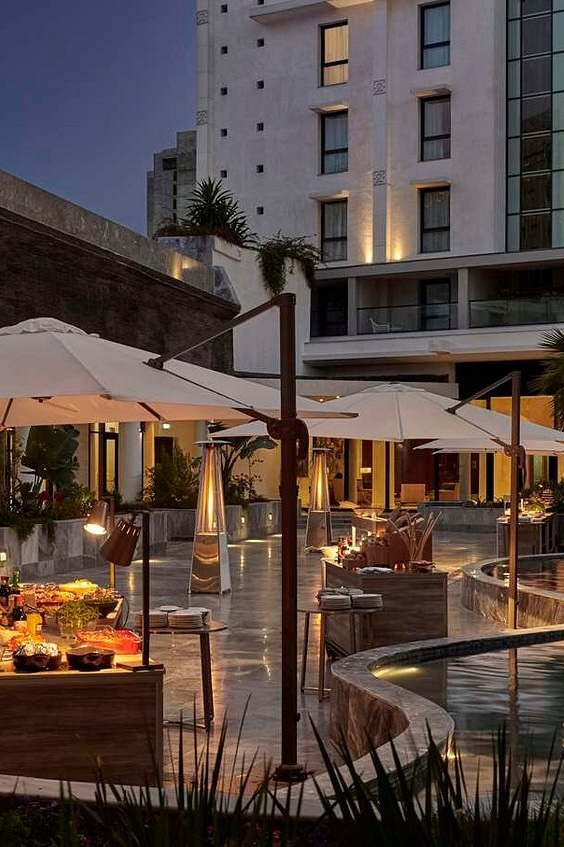
At the lobby, there was that kind of silence that wasn’t an absence of noise, but rather a filter: behind the thick glasses, the city seemed suspended in a pause. Inside Hyatt Regency, everything moved along as if the war were only a red line running across the screen. In the lobby, chandeliers cast a warm light, the air smelled of roasted coffee and disinfectant, hard-shell suitcases, polished shoes, badges with no overly visible logos.
A couple of people sat too straight on sofas that were too soft. Luca Ferri tightened his grip on the handle of his briefcase and pretended he was one of them.

A risk-management consultant, or so he said he was, for a Dubai-based logistics company: a title generic enough not to be a lie and true enough to work. In reality, the company was a shell, and the assignment came from an European fund that had invested, officially, in cold-chain infrastructure in East Africa.
One of the security staff sized him up with the look of someone who spots anomalies: Luca walked with the hurriedness of a man used to coming and going without leaving footprints.
Hyatt Regency: at the reception desk, the girl smiled and looked at his passport. A second too long, as if deciding whether to ask something.
≪Welcome, Mr. Ferri. Your guest is waiting for you in the Presidential Suite≫. Guest was an elegant word for “the one paying you who doesn’t want anyone to know it”.
The elevator rose slowly, inside were images of Addis Ababa, new neighborhoods, skyscrapers, clean streets: an advertisement for a future that, outside that glasses, was being argued over with rifles and decrees.
On the seventh floor, the corridor smelled of freshly cleaned carpet and air-conditioning. Luca knocked twice, with precise pauses, and the door opened a hand’s breadth. A woman looked at him without moving: around forty years old, hair pulled back, a crisp white shirt, eyes that didn’t ask permission.
≪Come on in. Close the door≫.
The suite was a meeting room disguised as a home: low table, an open laptop, two phones, a folder with a neutral label. At the window, Addis lay spread out like a badly folded map.
≪You’re Ferri≫, she said.
≪And you are…?≫
≪Let’s call ourselves in the way we prefer. I’m Liya≫.
Luca nodded. He knew Liya wasn’t her name, the European fund had only told him: a reliable local contact. In Ethiopia in 2021, that phrase was worth less than an unsigned check. Liya pointed to a chair.
≪They’re closing roads, convoys are being diverted, the cold chain breaks, vaccines die, and you’re here to optimize≫.
≪I don’t optimize≫, Luca said, sitting down. ≪I reduce uncertainty≫.
Liya smiled without warmth ≪Then reduce this≫.
She slid a USB drive across to him.
≪On the drive there are three files: a supply contract for generators, a bill of lading, and a series of bank transfers. On paper it’s about humanitarian aids, in real it’s a channel≫.
Luca didn’t take the drive right away. He looked at it the way you look at a small, poisonous animal.
≪A channel for what?≫
≪To buy time≫, Liya said, ≪and influence. In a civil war, the most stable currency is access≫.
Luca took the drive and slipped it into the inside pocket of his jacket. ≪Who wants me to look at?≫
Liya crossed her arms. ≪Everyone wants you to look, but the real question is: who wants you to understand≫.
On the table, a phone buzzed. Liya glanced at it and switched it off, then walked to the window and pulled the curtain halfway, as if the view could listen.
≪Tomorrow morning≫, she said, ≪you’ll have a meeting at Cascara, the hotel’s lounge bar, with a man who will introduce himself as a representative of a telecommunications company. He’ll offer you a solution: “connectivity for cargo tracking”, “warehouse monitoring”. It looks clean. It isn’t≫.
Luca felt his stomach tighten. ≪If it isn’t clean, why do I have to meet him?≫
≪Because he’s the hook. And because someone, somewhere, wants that hook to catch you≫.
Addis at night is mottled: isolated lights, clusters of headlights, pockets of shadow. Luca stayed in the suite late, listening to the hum of the air-conditioning and the distant sounds of the city. He plugged the drive into his dedicated laptop, the one with no personal accounts, no history, no humanity, and opened the files one by one. The contract described diesel generators destined for Regional Health Centers to preserve vaccines and medicines. An NGO’s signature, stamps, dates. The bill of lading listed sealed crates. The bank transfers were the interesting part: funds leaving a philanthropic institution and bouncing through accounts of newly created companies, registered in jurisdictions where the sun never sets on paperwork.
On the transactions, an internal note: Compliance note: risk accepted — strategic priority. Risk accepted. It wasn’t just any note, it was a confession.
Luca zoomed in on a detail: a recurring shipping code, associated with different locations. The same code on different routes… a mistake? Or a message?
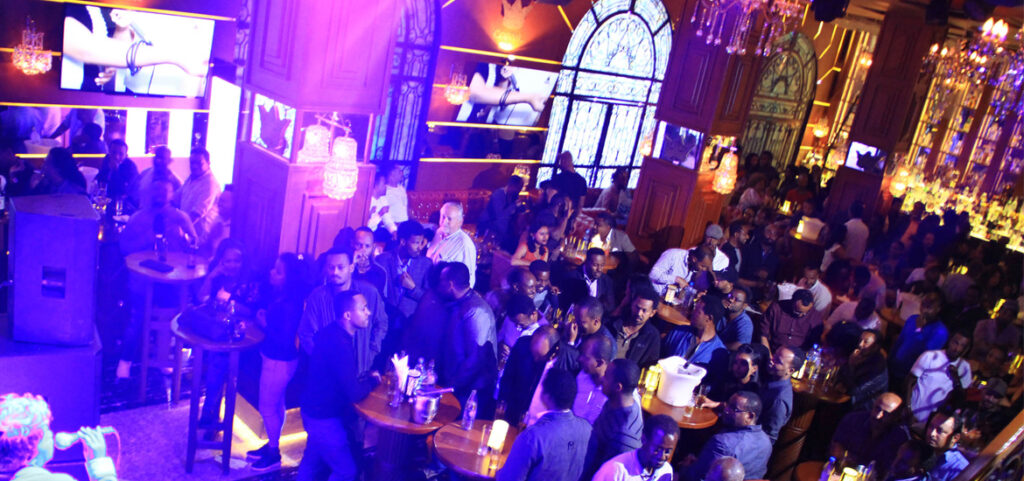
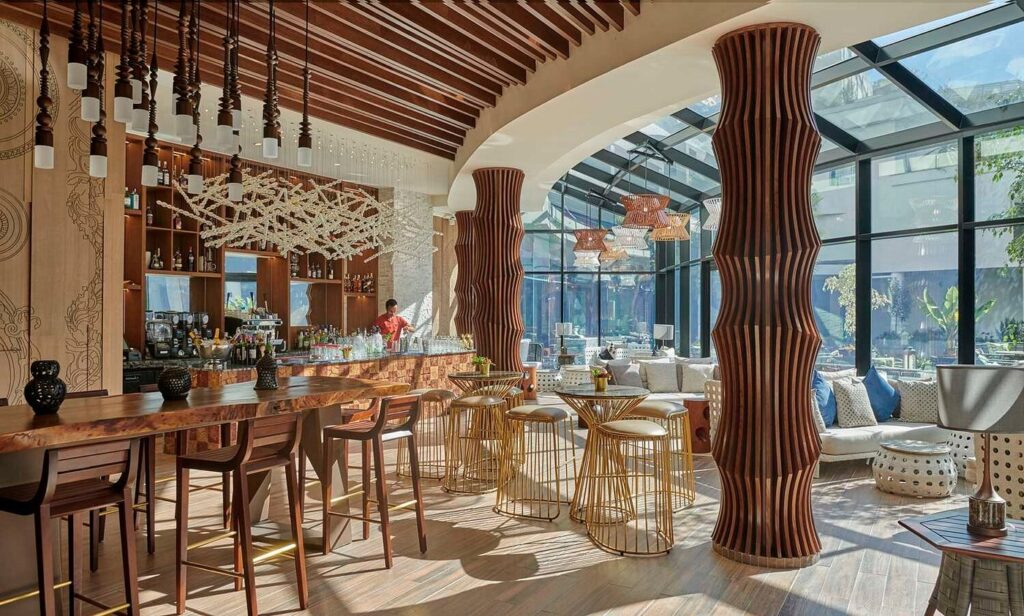
The next day at Cascara, the Hyatt’s lounge bar, staff moved with usual courtesy, efficiency, professionalism. The coffee arrived before asking. Luca chose a small table overlooking the terrace and fountain: businessmen, fancy women, and reflections of light on the walls. The man arrived five minutes early and approached without hesitation. He wore an international-style blue suit, neatly groomed beard, a smile calibrated to the moment.
≪Mr. Ferri?≫ he said in Italian with a light accent. ≪Pleasure. Daniel≫.
≪Pleasure≫.
Daniel sat and placed his phone on the table, screen down, a gesture of counterfeit trust. Then he began to talk about networks, tracking, end-to-end solutions. Perfect words, straight from a brochure.
Luca listened and, as he nodded, had time to study him: clean hands, a ring with no apparent value, a prestigious but not showy watch and above all, the confidence of someone who isn’t selling a product but a passage. Yes, but to go where?
≪One more thing≫, Daniel said, lowering his voice. ≪It’s not just technology. It’s protection: roads change, authorities change, allies change. We can get your cargos at destinations≫.
≪And in return?≫ Luca asked.
Daniel smiled. ≪In return… mutual transparency. Sharing data. Knowing where things are, and where they’re going. It’s a new kind of logistics: information≫.
Luca had a sip of coffee. Bitter, dense, Addis in a demitasse.
≪Data on what?≫ he asked.
Daniel tilted his head. ≪On your generators. On warehouses. On timing. And… on the people who authorize≫. The subtext was clear: we know, and we can turn that knowledge into guarantees. Luca set his cup down.
≪There’s a war, there are inspections and sanctions. I can’t share anything that isn’t necessary≫.
≪Necessary…≫ Daniel repeated, as if tasting the word. ≪What’s necessary is surviving. The rest are peacetime principles≫.
For an instant, Luca saw Liya on the other side of the room, sat in a corner. She wasn’t looking at him, she was looking at Daniel the way of watching a snake to understand when it will strike.
Luca understood: Daniel wasn’t there only for him, someone decided he was meant to become a cog.
≪Send me a written proposal≫, Luca said, standing.
Daniel rose with him. ≪Of course, and… a piece of advice: in this city, documents don’t matter. Calls do≫. Luca nodded, and as he walked away he sensed, without looking back, the echo of a truer sentence: what matters is who decides to pick up.
That evening Liya returned to the suite with a thin envelope.
≪What is it?≫ Luca asked.
≪A list≫, she said. ≪Names of companies that act as bridges between funds, NGOs, and supplies. Some are real, others only masks, others are both≫.
Luca scanned the names, one appeared in the transfers from the USB drive. ≪This one≫, he said, touching the line with his finger, ≪is the knot≫.
Liya nodded. ≪It’s registered in Nairobi, but operations are here. It works with anyone who can open a road≫.
≪And who controls it?≫
Liya finally looked at him, sharp smiling. ≪The idea that chaos is a business model≫.
Luca closed the envelope. ≪Why are you telling me this?≫
For the first time, Liya hesitated. ≪Because if this story goes, your generators won’t power refrigerators, but radios, servers, things that make the war last≫.
Luca leaned back. ≪I’m not here to do politics≫.
Liya held his gaze. ≪Then go home. Here, if you move a container, you’re doing geopolitics. If you sign a contract, you choose a map≫.
Sharp knock at the door: three quick taps, like a mistake. Liya froze, her eyes went to the switched-off phone, then to the suitcase. Luca stood without a sound, moved toward the entrance, and looked through the peephole. Two well-dressed men: one held a package as if it was a delivery, the other had the posture of someone who never delivers anything.
Liya whispered, ≪Don’t open≫. Luca stepped back as the knocking returned, harder.
≪Hotel security≫, a voice said in flat English.
Liya moved to the bathroom, opened a panel under the sink, pulled out a slim phone and turned it on. In two seconds, a message: ≪You’re not alone. Don’t open. Take the service stairs. Now≫.
≪How long have you had that?≫ Luca asked.
≪Since I realized someone would knock≫.
The men outside knocked again, the handle shifted slightly. They tried a key.
Luca’s heart jumped, but his mind stayed cold. He went to the window: seventh floor, no movie options. Liya pointed to a secondary door leading into the suite’s service corridor. ≪Here≫.
They opened it gently, the corridor beyond was narrow and dark. The smell of laundry saturated the air. From far away, rumble of carts. Behind them, the main door lock clicked, and a fraction of a second later, the door opened with a snap.
Luca and Liya ran without running, with the controlled pace of people who want to seem like shadows, turning into a service stairwell until they found a green light: EXIT.
On the ground floor they emerged into a side area behind the kitchens. Hot air, the smell of spices and oil. A man was waiting near a service exit: young, anonymous T-shirt, technician badge.
≪ፍጥን! Fit’ini!≫ he said in Amharic — Hurry up!
Liya answered in the same language, a short phrase that sounded like an order. The man opened a security door and ushered them into the covered parking garage, where a black sedan waited with the engine running.
≪Where are they taking us?≫ Luca asked, getting in.
≪Where they won’t look for you≫, Liya replied.
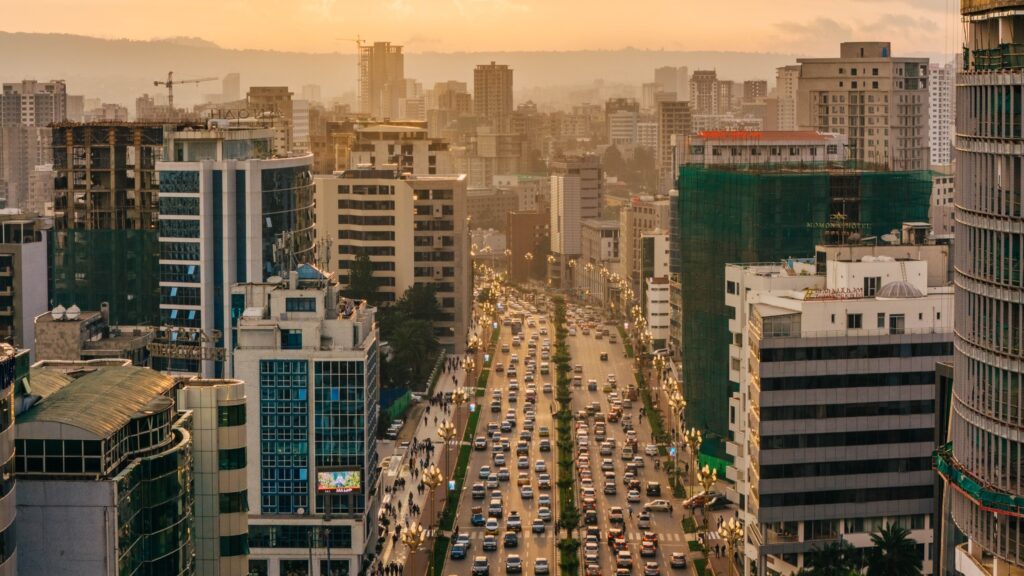
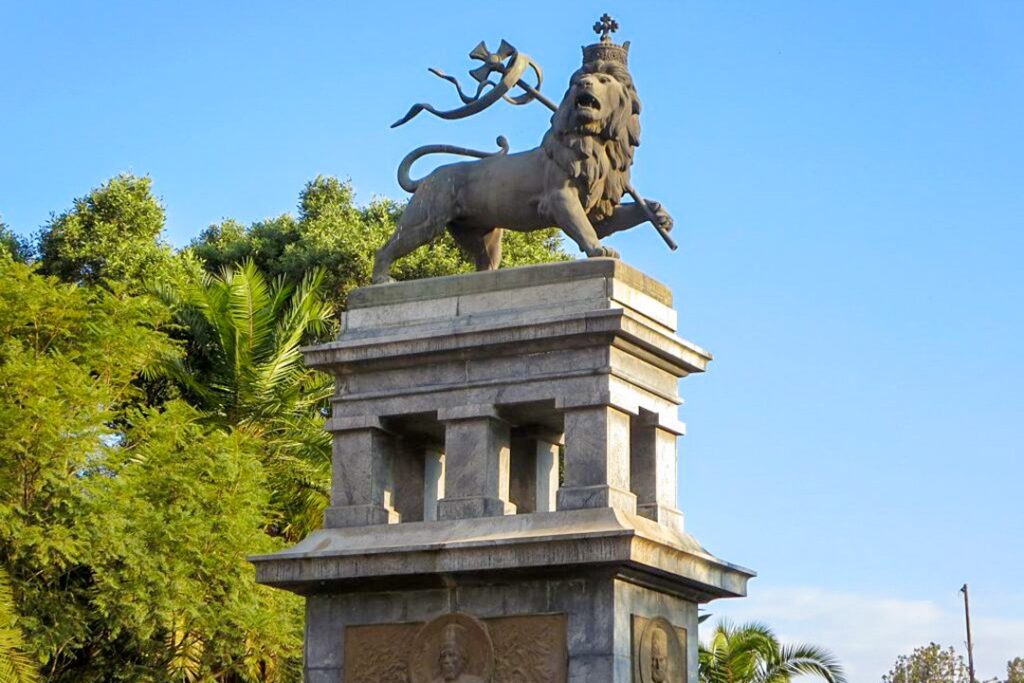
Addis Ababa slid by behind tinted windows, and Luca felt that the thriller was no longer a metaphor: a countdown started.
≪Who were they?≫ he asked.
≪Part of the problem≫, Liya said. ≪Or part of the solution, depending on who pays≫, she added, with a cynicism touch well fitting the moment.
Luca clenched his jaw. ≪Daniel≫.
Liya nodded, ≪Daniel doesn’t sell connectivity. He sells lists: who goes in, who goes out, who authorizes. If you have data, you have leverage. And if you have leverage, you don’t need to win the war, you just need not end it≫.
Luca looked out. Billboards, shuttered shops, flickering lights. The very idea of normality seemed like a high-risk investment.
≪What do you want from me?≫ Luca asked, a thread of anger in his voice.
≪I want you to do one simple thing≫, Liya said. ≪When you speak to your European fund again, tell them that their philanthropy has become an infrastructure of influence. And that someone is using them≫.
≪And if they already know?≫
Liya looked at him. ≪Then tell them anyway. Sometimes the difference between complicity and panic is a sentence spoken out loud≫.
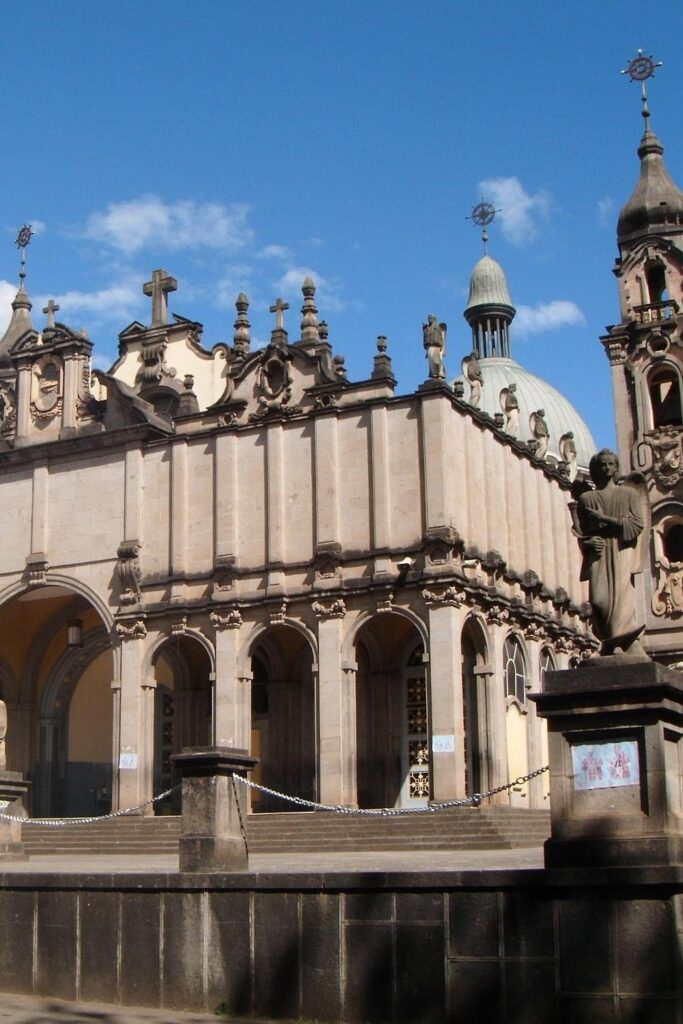
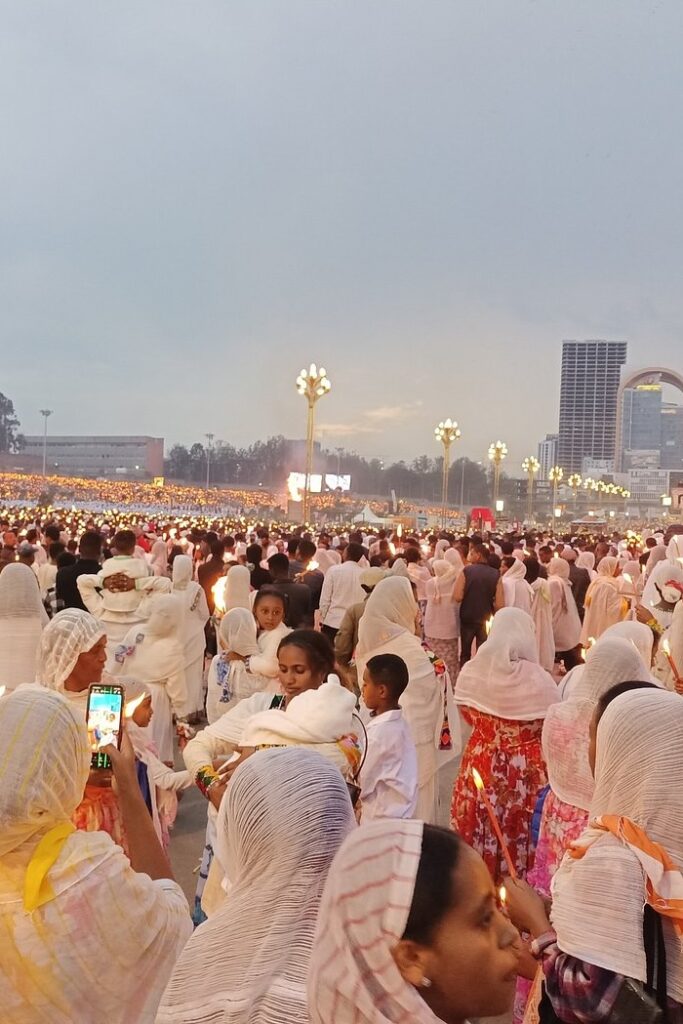
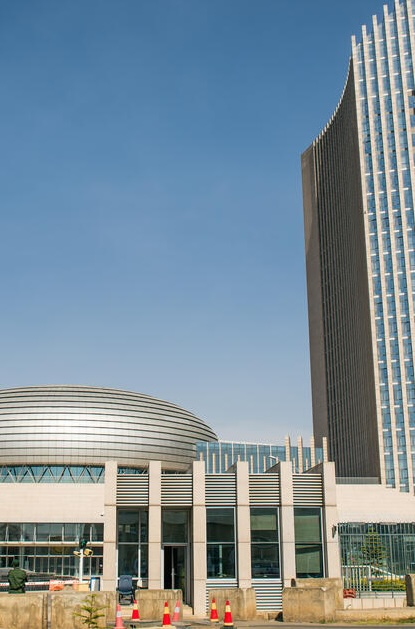
The sedan stopped in a residential area. A gate opened. Inside, a sober house, minimal lights. The driver didn’t get out or say goodbye, as an unmarked shadow who had done his job.
Inside the house, Liya pulled out a printed map and a sheet with numbers.
≪This is what we can do≫, she said. ≪Block a payment. Make a container disappear. Make a channel visible≫.
≪And then?≫ Luca asked.
≪Then≫, Liya replied, ≪someone will start asking questions. And when questions start, the war changes its shape. It doesn’t end, but it stops belonging only theirs≫.
Luca sat down. His job had always been to make risks digestible for boards of directors, but here risk went beyond a percentage: it was a face, a closed road, a dead refrigerator.
He took the secure phone, the one he used to call Europe, and dialed his contact at the Fund. He hesitated for a second, then called. A sleepy voice answered.
≪Luca? It’s late≫.
≪It’s late only if we pretend we don’t know≫. Silence.
≪What are you talking about?≫ Luca drew a breath.
≪I’m talking about the generators. The transfers. The shipping code that shows up on different routes. I’m talking about a channel you accepted as a strategic risk. And I’m talking about the fact that someone just tried to get into my suite at the Hyatt≫. A breath on the other end.
≪You’re saying that…?≫
≪I’m saying your investment isn’t neutral≫, Luca said. ≪And that if you continue, you’re not saving vaccines, you’re feeding a network≫. Still long silence.
Then a cautious sentence: ≪We don’t have sufficient proofs≫.
Luca looked at Liya, who was watching him with curiosity.
≪The proofs≫, Luca said, ≪are here, but that’s not the point. The point is: if you wait until everything is provable, it will already be beyond repair≫.
He ended the call before the other person could reduce it all to a memo, while Liya nodded slowly. ≪Now you’re in≫.
≪In what?≫ Luca asked.
Liya stood and opened the window curtain. Addis, far away, flickered.
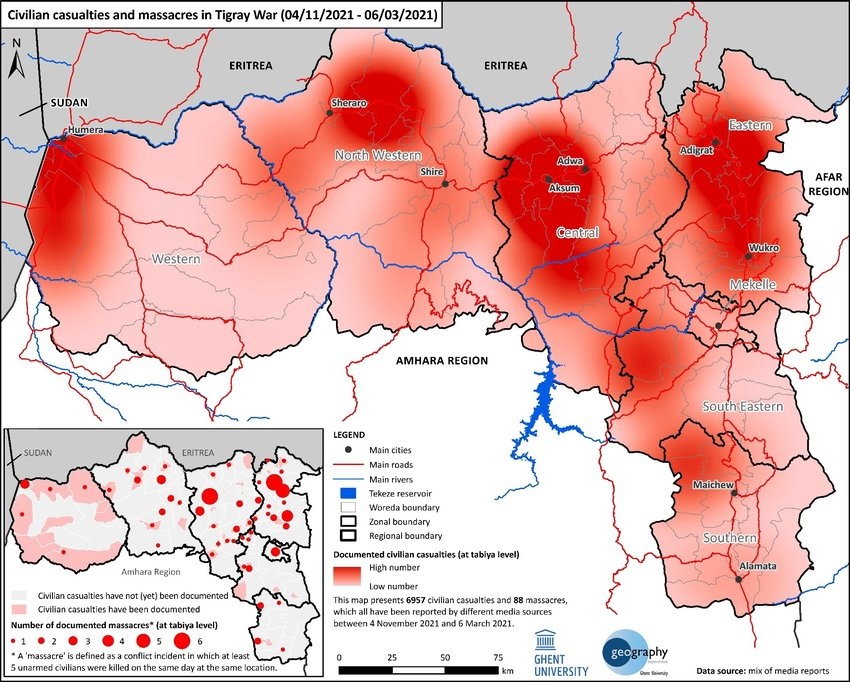
≪In the part of the world where hotels are temporary embassies≫, she said, ≪and suites are command rooms, inside a war made of contracts≫.
Luca thought of the Hyatt lobby, the chandeliers, the sofas, the coffee. He thought of Daniel and his phone face down. He thought of the line: calls are what matter. ≪… And if they make me disappear?≫ he asked. Liya didn’t answer right away.
≪Then they’ll make your silence disappear too. Because someone, somewhere, will use what you know≫. Outside, a distant siren crossed the city like a red line on a map.
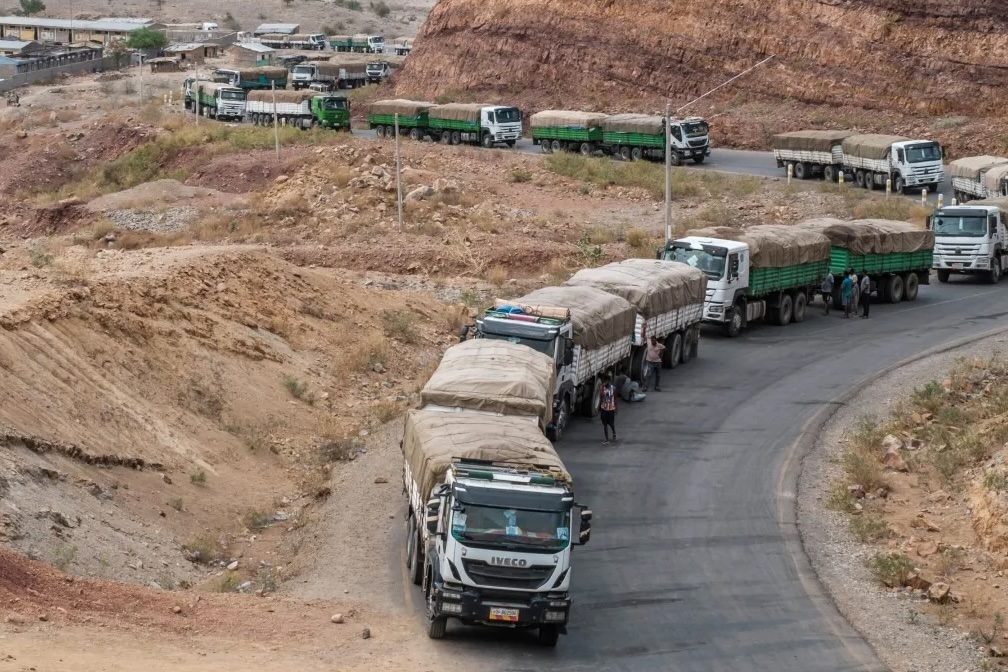
Luca understood that his choice wasn’t between safety and risk: it was between being a passageway or becoming an obstacle. And in Ethiopia, between 2020 and 2022, even a small obstacle could change the trajectory of a convoy, or of a story.
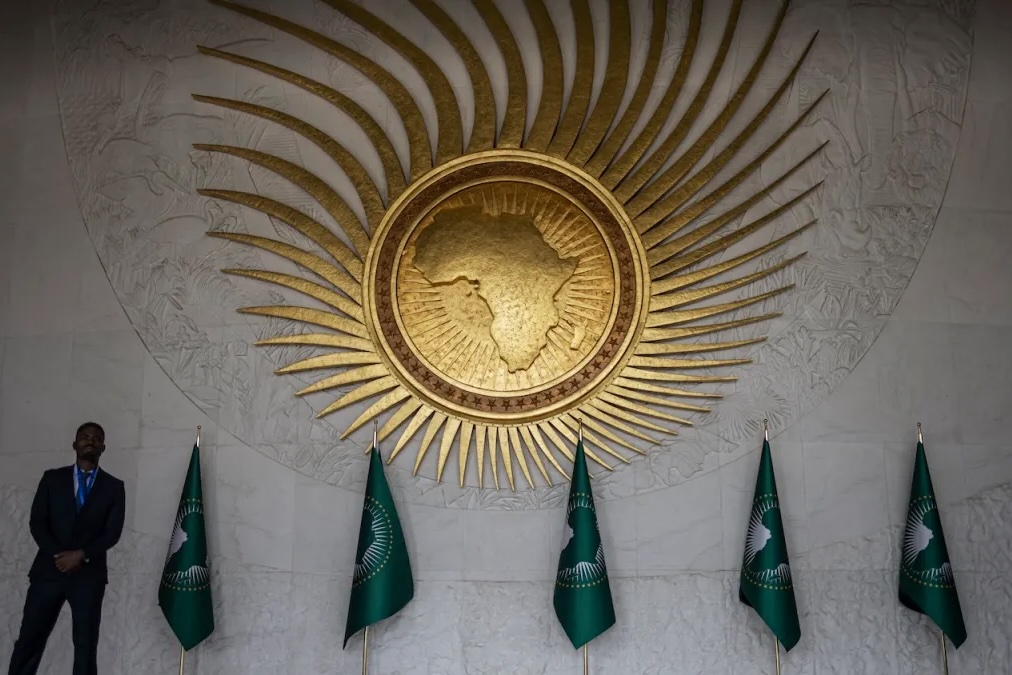
Liya turned off the light.
≪Tomorrow you go back at the Hyatt≫, she said, ≪as if nothing happened. And if Daniel writes to you, you answer≫.
≪Why?≫
≪Because≫, Liya said, ≪in a geopolitical thriller, the suspense isn’t finding out who’s lying. It’s deciding when to stop pretending you believe them≫.
I had a look at your novel and I found it very powerful.
What you describe is close to reality for many of us. The war you refer to happened in my region, so reading it brings back memories of a very complex time. I appreciate how you connect logistics, business decisions, and geopolitics — something many people outside the region rarely understand. Well written.
Thanks Haftom, I know what happened at that time, so to consider your comment as truly open and inspiring for next stories.
Mr Paolo, I’m impressed! This is very inspiring and I am drawn to the story. I can hear your voice in the background while reading.
Keep on doing this more often, you have a storyteller gift my friend.
Thanks a lot Carlo, your comment makes me really happy: how many stories, time and memories shared among our travels! Keep patience, once a month I’ll release a mini-novel located in the cities of my heart. You’ll see how many of them are inspired from our memories and global successes! Stay in touch!