





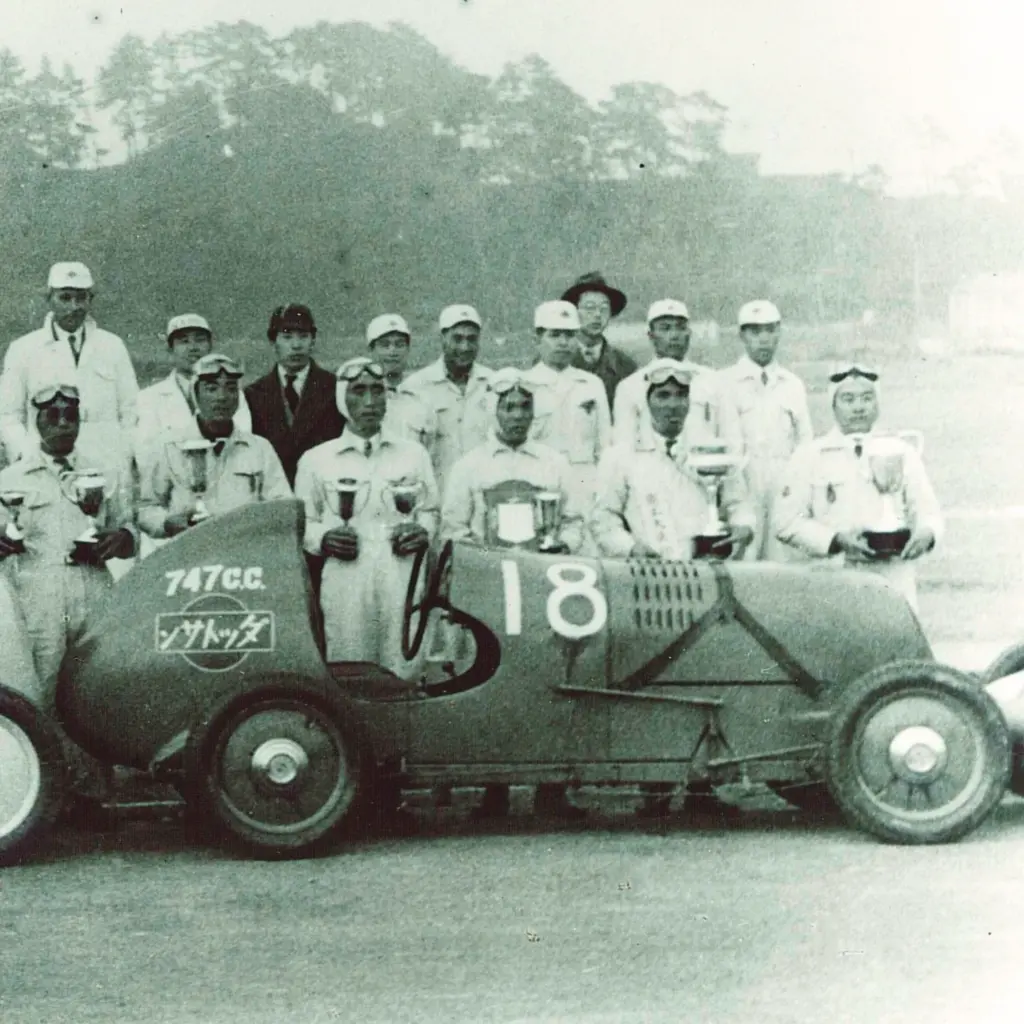
In the annals of global corporate warfare, few sagas rival the dramatic rise, fall, and existential reckoning of Nissan Motor Corporation. At the close of the twentieth century, the industrial titan of Yokohama stood teetering on the precipice of absolute ruin, suffocated by an insurmountable mountain of debt and paralyzed by ancestral corporate inertia. Yet, from the brink of total annihilation arose an unprecedented resurrection: the 1999 Nissan Revival Plan, a surgical campaign of audacious clarity that silenced every skeptic and forged one of the most celebrated turnarounds in industrial history.
A quarter of a century later, history circles back with inexorable gravity. The modern battlefield is no longer merely defined by factory floor efficiencies, but by ruthless technological disruption, the seismic shift toward electrification, and aggressive global rivalry. Nissan once again finds itself summoned to prove whether the fire of transformation that saved its soul in 1999 can be rekindled to master the tremors of 2024.
Context & Challenge
The crucible of 1999 was forged by years of undisciplined expansion and institutional fragmentation. Nissan was hemorrhaging capital, burdened by more than $20 billion in net automotive debt and bleeding market share across every major continent. The root cause lay deep within the traditional Japanese keiretsu ecosystem: an entrenched, insular web of cross-shareholdings and favored suppliers that insulated management from market accountability, perpetuated bloated purchasing costs, and diluted product distinctiveness across dozens of redundant, unprofitable platforms.
Fast forward to 2024, and Nissan faces an entirely new set of existential headwinds. While the crisis of 1999 was an internal crisis of financial solvency and operational discipline, the challenge of 2024 is an external clash of paradigms. The automotive landscape is undergoing a once-in-a-century transition characterized by rapid battery electric vehicle (BEV) adoption, software-defined architectures, and predatory price wars from agile Chinese competitors.
In key battlegrounds like China and North America, Nissan has struggled with aging product lifecycles, declining operating margins, and a complex Alliance with Renault that required delicate rebalancing. The company must now navigate severe margin compression while funding astronomical capital expenditures for future mobility.

Analysis
Deconstructing Nissan’s dual crises reveals how operational vulnerabilities repeat across eras when strategic clarity gives way to institutional complacency.
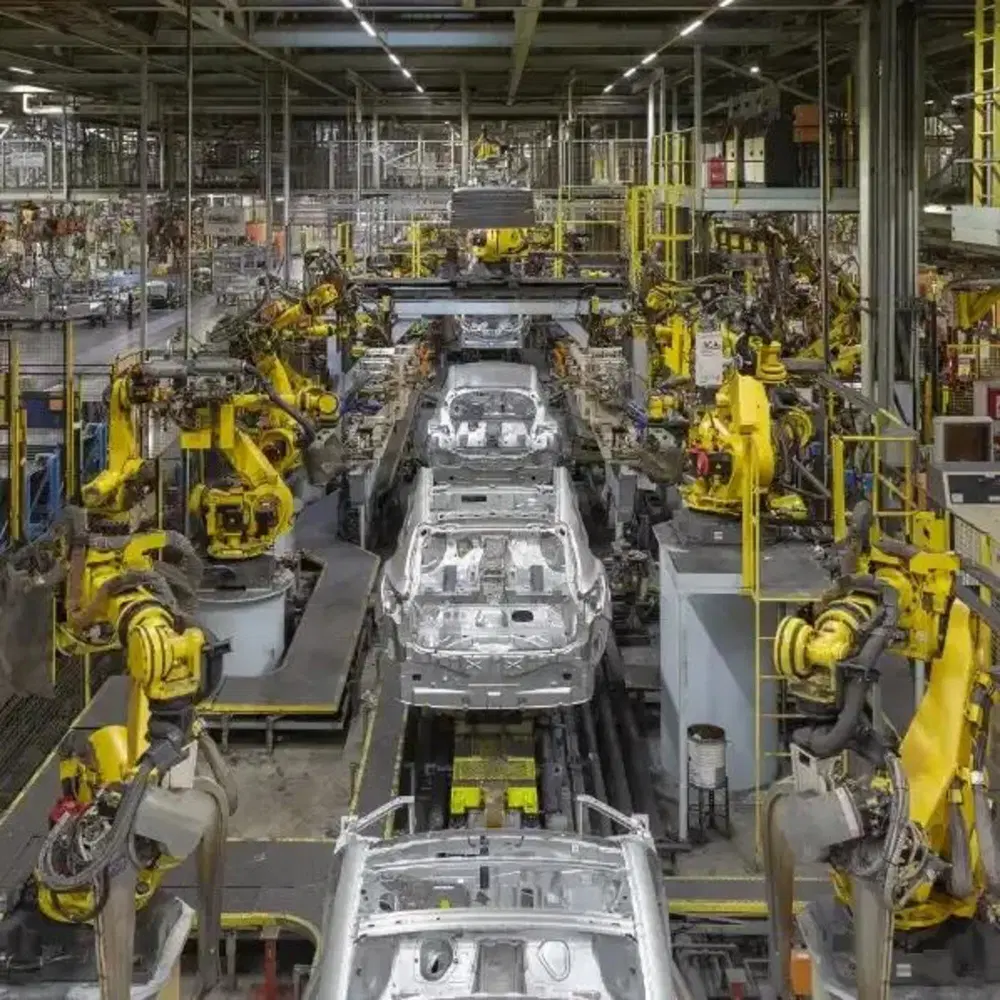
Purchasing and Cost Architecture: In 1999, purchasing accounted for roughly 60% of total vehicle manufacturing costs, yet Nissan paid a 20% premium over competitors due to fragmented supplier agreements. In 2024, inflationary pressures on raw battery minerals, specialized semiconductors, and software development have re-exposed Nissan’s cost structure, demanding a renewed attack on unit production economics.
Capital Discipline and Platform Proliferation: The pre-1999 portfolio was notoriously inefficient, producing vehicles across multiple disparate chassis that shared minimal common architecture. By 2024, although common modular family (CMF) platforms improved baseline efficiency, delays in commercializing next-generation electric platforms left Nissan exposed between outgoing internal combustion lines and delayed electric volume drivers.
Cultural Inertia versus Cross-Functional Agility: The defining breakthrough of the 1999 turnaround was shattering corporate silos through Cross-Functional Teams (CFTs). Over the intervening decades, bureaucratic sclerosis gradually reasserted itself, dulling Nissan’s pioneering edge gained from the early success of the Leaf and slowing strategic software execution.
Geopolitical and Market Exposure: In 1999, Nissan suffered from poor distribution and brand dilution in North America and Europe. In 2024, the vulnerability shifted east: a profound erosion of market share in China, where domestic electric vehicle manufacturers have rewritten consumer expectations regarding infotainment, speed-to-market, and aggressive price points.
What can we suggest?
To secure long-term viability and reignite sustainable profitability, Nissan must execute a modernized revival agenda that synthesizes the ruthless discipline of 1999 with the technological imperatives of 2024.
Reconstitute Cross-Functional Strike Teams (CFT 2.0): Establish empowered, cross-disciplinary leadership units reporting directly to the executive committee with full authority to bypass middle-management red tape, specifically tasked with accelerating software development, digital cockpits, and vehicle launch velocity.
Aggressive Supply Chain Decoupling and Localization: Rationalize Tier-1 supplier networks by benchmarking critical components globally, renegotiating procurement contracts, and expanding modular battery sourcing partnerships across the Americas and Europe to protect against geopolitical volatility and logistics shocks.
Platform Harmonization and Electrification Pivot: Accelerate the phase-out of legacy, margin-diluting internal combustion variants while consolidating all zero-emission offerings onto unified, highly modular dedicated EV architectures; aggressively scale e-POWER hybrid drivetrains as a lucrative, high-margin cash bridge in regions where pure electric charging infrastructure lags.
Commercialization of Solid-State Battery Leadership: Prioritize all available advanced R&D capital toward bringing proprietary all-solid-state battery (ASSB) technology to mass market, creating an unassailable competitive advantage in energy density, charging speed, and safety by the late 2020s.
Value-Over-Volume Commercial Discipline: Abolish aggressive discounting and fleet dumping incentives in North America and Western Europe, replacing volume-chasing sales targets with a strict mandate focused on transaction price integrity, brand equity, and customer lifecycle retention.
Conclusions
The legacy of Nissan proves that operational decline is never an immutable destiny; it is merely the consequence of unaddressed structural inertia. The 1999 Nissan Revival Plan established an enduring corporate truth: profound turnaround demands absolute transparency, radical dismantling of sacred cows, and uncompromising accountability.
In the turbulent theater of 2024, as the automotive world pivots irreversibly into software and electrification, Nissan stands once more at the crossroads of destiny. By embracing the same surgical courage that pulled it from the abyss a generation ago, the company has every opportunity to not only defend its storied heritage, but to emerge as a rejuvenated titan in the new era of global mobility.