





In a world where furniture once symbolized permanence, tradition, and often exclusivity, IKEA rewrote the rules with quiet audacity. From modest Swedish roots, it built a global empire on accessibility, democratizing design for the many. Flat-pack boxes became vessels of possibility, and the act of assembling turned customers into co-creators.
Yet even this carefully engineered success faces new pressures. Digital commerce, sustainability demands, and shifting urban lifestyles are reshaping how people live, and how they furnish their lives.
IKEA’s story is not just one of growth, but of continuous reinvention in a world where even simplicity must evolve.

Context
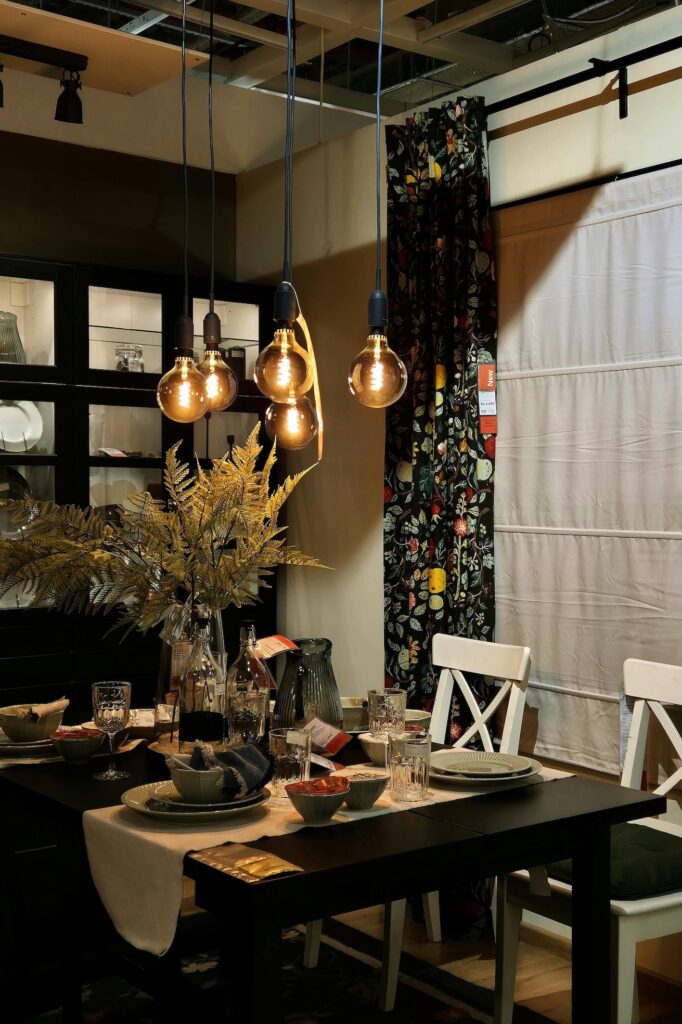
Founded in 1943 by Ingvar Kamprad in Sweden, IKEA began as a mail-order business selling small goods before expanding into furniture. Its breakthrough came with the introduction of flat-pack furniture, a concept that drastically reduced costs in manufacturing, transportation, and storage.
By the late 20th century, IKEA had grown into a global retail powerhouse, operating large warehouse-style stores that combined showroom inspiration with self-service logistics. Its business model was built on cost leadership, standardized designs, and high-volume production. Customers were willing to trade convenience, such as pre-assembled furniture, for lower prices and modern design.
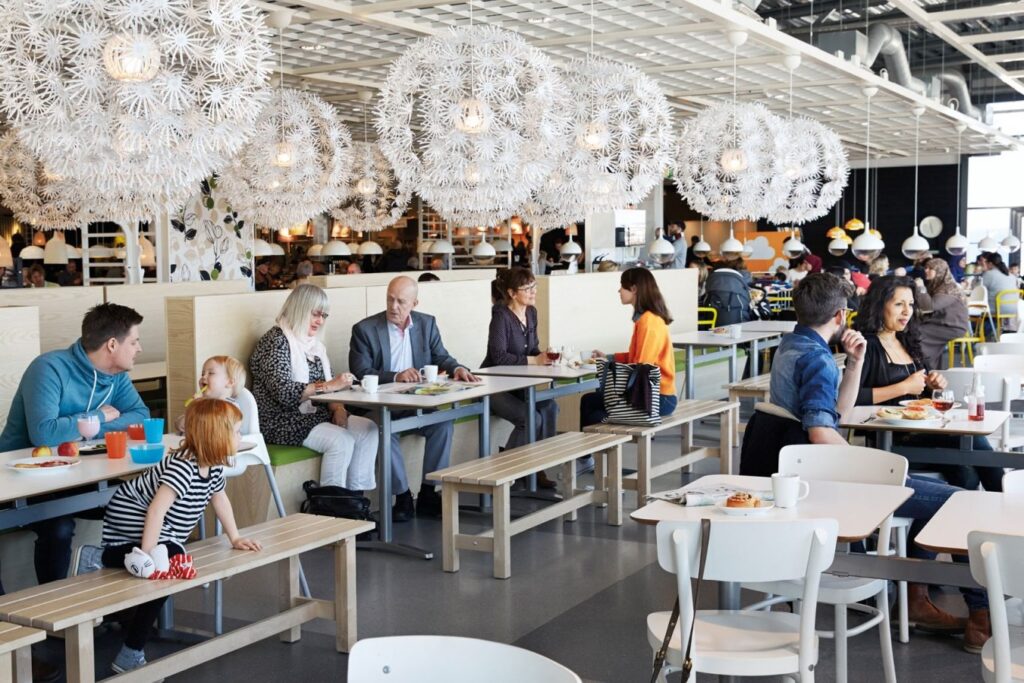
IKEA also cultivated a distinct brand identity rooted in Scandinavian minimalism, functionality, and affordability. Its in-store experience, complete with guided pathways and curated room setups, turned shopping into an immersive journey.
However, the retail landscape began to shift. E-commerce, urbanization, and sustainability concerns started to challenge IKEA’s traditional store-centric model.

Challenge
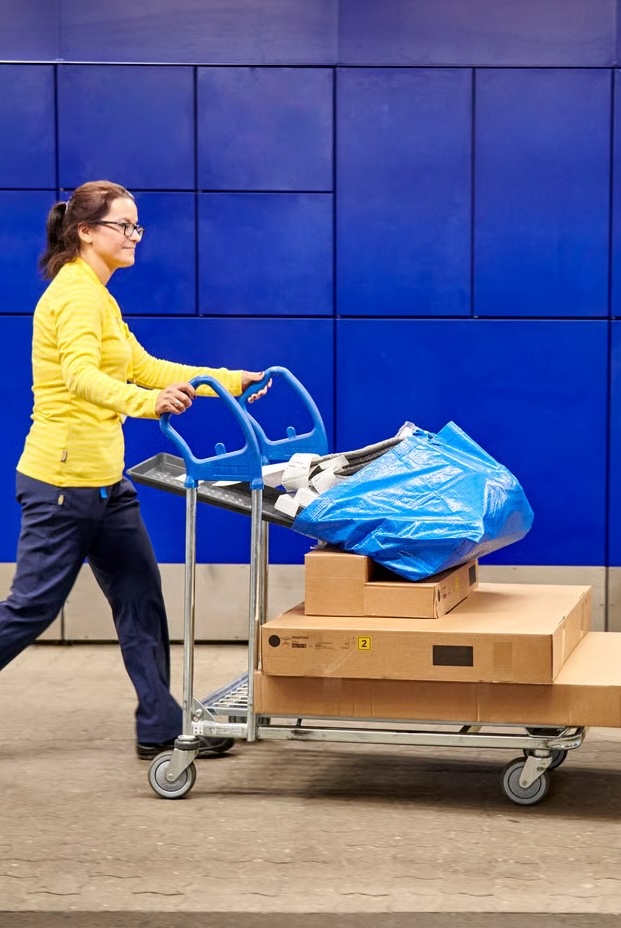
IKEA’s central challenge lies in adapting a historically physical, scale-driven business model to a digital and sustainability-focused era. Its success was built on large-format stores located outside city centers, encouraging customers to spend hours browsing and purchasing in bulk.
Consumer behavior was changing, urban living spaces are smaller, delivery expectations are faster, and online shopping has become the norm. Customers increasingly demand convenience, customization, and immediate access, elements that conflict with IKEA’s traditional model of self-service and in-store exploration. At the same time, sustainability has moved from a differentiator to a necessity. As a high-volume producer, IKEA faces scrutiny over material sourcing, waste, and product lifecycle. Balancing low prices with environmental responsibility creates tension within its cost-driven model.
The challenge, therefore, it’s higher than operational: it’s strategic.
How to remain affordable and scalable while becoming digital, sustainable, and customer-centric.

Analysis
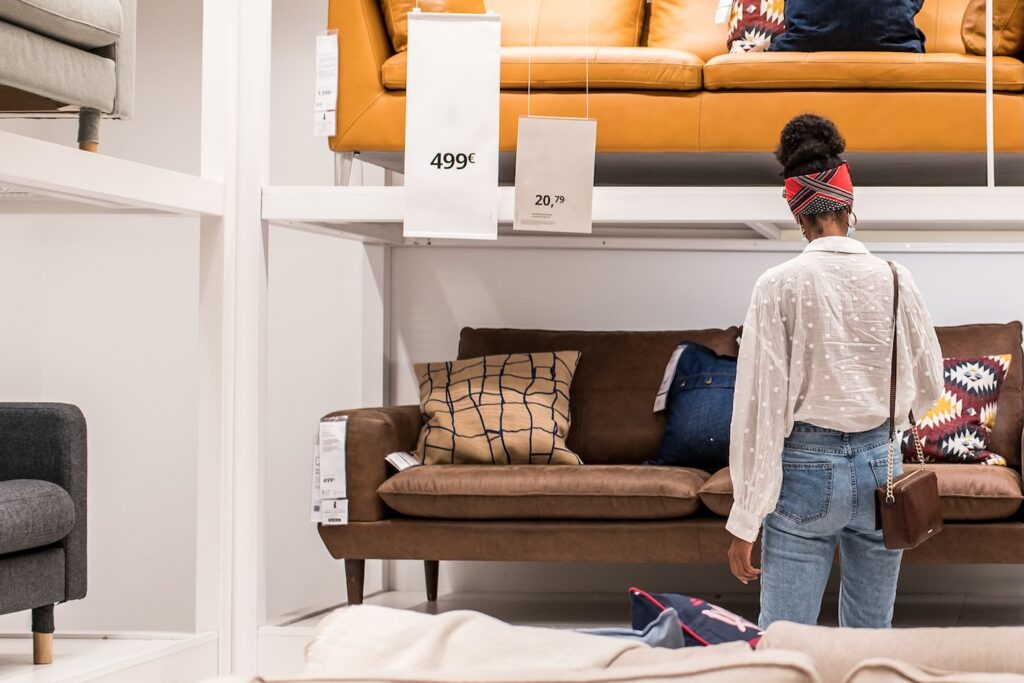
IKEA’s position today reflects both the strength of its original model and the pressures of a changing environment.
Strength of the Core Model
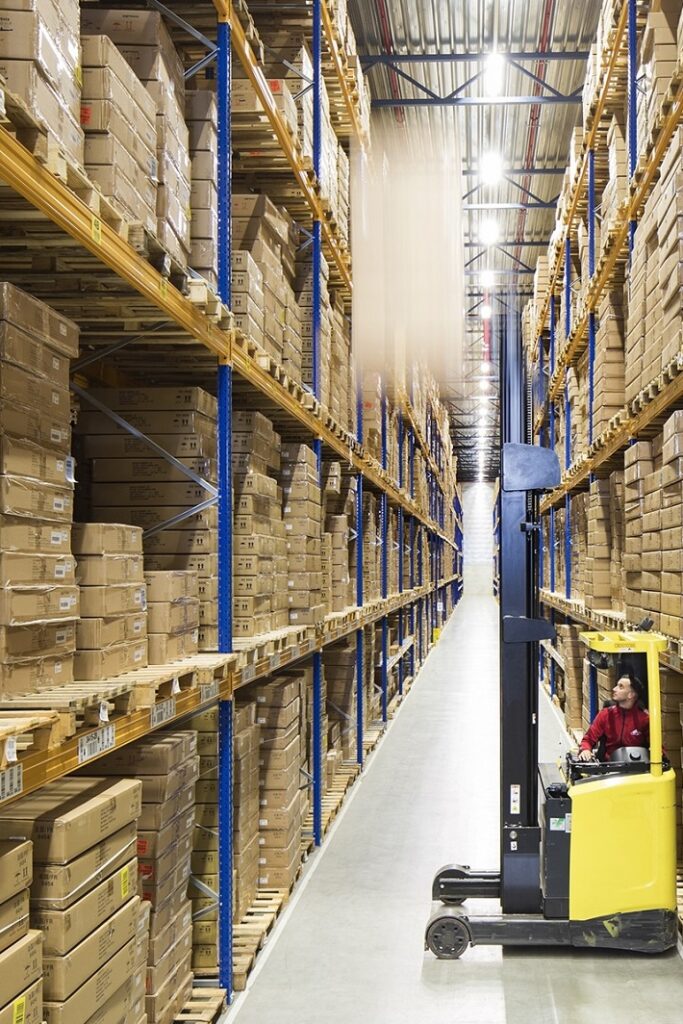
IKEA’s integrated value chain, from design to manufacturing to retail, remains a powerful competitive advantage. Its scale allows it to negotiate costs, standardize production, and maintain price leadership.
Limitations in the Digital Era
- Store-centric model: Large physical stores are less aligned with urban lifestyles and online-first consumers.
- Last-mile complexity: Delivering bulky furniture efficiently challenges margins and logistics capabilities.
- Digital experience gap: While improving, IKEA’s online platforms historically lagged behind pure e-commerce competitors.
Customer Experience Evolution
Consumers now expect seamless omnichannel journeys. IKEA’s traditional experience, exploration followed by self-service pickup, does not fully align with expectations of speed and convenience.
Sustainability Pressures
- Increased scrutiny on materials such as wood and plastics.
- Growing demand for circular economy solutions (reuse, recycling, resale).
- Need to balance affordability with environmentally responsible practices.
Competitive Landscape
E-commerce players (e.g., Amazon, Wayfair) emphasize convenience and delivery speed, while direct-to-consumer brands offer customization and niche design appeal. Moreover, second-hand and rental markets challenge traditional ownership models.
Despite these pressures, IKEA retains strong brand equity and operational capabilities. The key question is whether it can evolve its model without losing its core identity.

Changes ready to come
From a product-centric retailer to a service-enabled, customer-centric ecosystem, IKEA can remain relevant:
Strengthening Omnichannel Capabilities
- Integrate online and offline experiences seamlessly.
- Expand smaller urban store formats focused on planning, ordering, and pickup.
- Invest in faster, more efficient delivery and assembly services.
Redefining the Customer Value Proposition
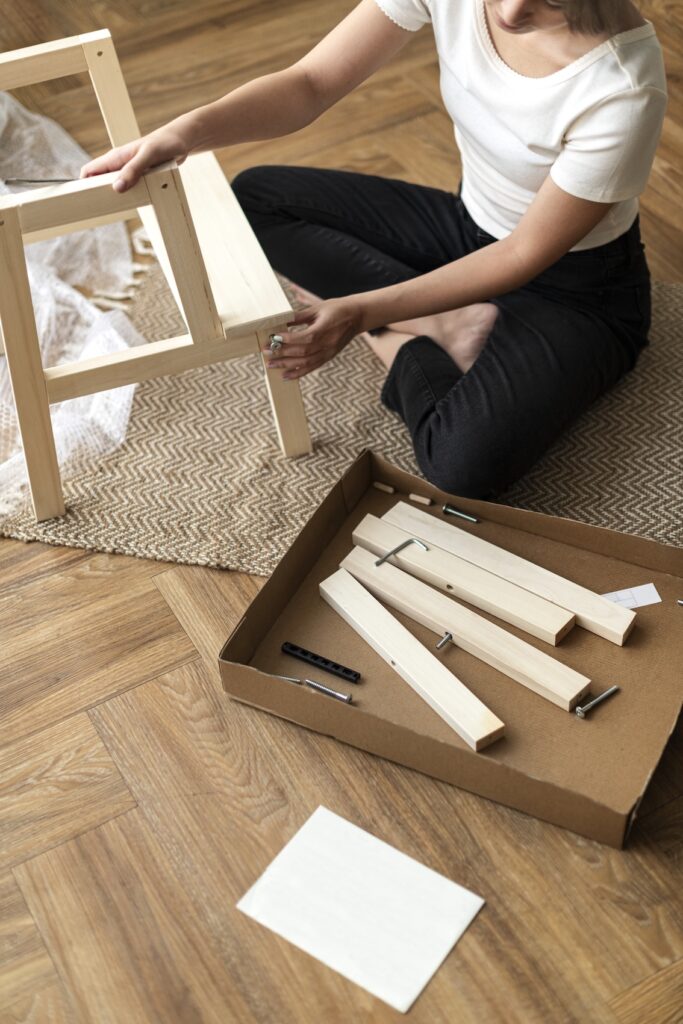
- Shift from do-it-yourself to do-it-with-you by offering optional services (assembly, design consultation).
- Enhance digital tools such as augmented reality for home visualization.
- Personalize offerings through data-driven insights.
Leading in Sustainability
- Accelerate transition to renewable and recycled materials.
- Expand circular initiatives as buy-back and resale programs, furniture leasing models, repair and refurbishment services
- Communicate sustainability transparently to build trust.
Operational Innovation
- Optimize supply chains for flexibility and responsiveness.
- Localize production where possible to reduce costs and emissions.
- Leverage automation and analytics to improve efficiency.
Cultural and Strategic Alignment
- Maintain the founding vision of affordability while redefining how value is delivered.
- Encourage experimentation and innovation within a traditionally standardized model.
Conclusions
IKEA’s journey illustrates how a powerful business model can both enable success and create constraints. Its ability to democratize design reshaped an industry, but the next phase of growth requires reimagining how that mission is delivered.
Digital transformation, sustainability, and shifting consumer expectations demand more than incremental change, they require strategic adaptation.
Yet IKEA’s strength lies in its clarity of purpose. If it can align innovation with its founding principles, it has the potential to lead market again with support of new technologies. So the challenge is to reinterpret its identity for a new era.