





There are brands that sell objects, and there are brands that sell destinies. Rolex belongs to the second order: its story does not begin on the wrist, but in the imagination: in the silent descent beneath dark waters, in the stubborn climb toward unforgiving peaks, in the human desire to carry certainty into places where certainty is rare. Founded in 1908, Rolex not merely entered the watch business, but the ancient pact between man and time, then wrapped that pact in steel, precision, and myth.
Its greatest triumph has been to transform a mechanical instrument into a narrative of permanence. A Rolex is never presented as just a watch: it is a witness, a companion, an accomplice to endurance. In the underwater world especially, where pressure is merciless and error can become fatal, Rolex found the perfect stage on which to project its identity. The sea gave the brand more than inspiration; it gave it a language. Depth, silence, resistance, control: aside technical qualities, these became symbolic virtues.
The outcome of this long journey is extraordinary. Rolex stands today as one of the most powerful names in global luxury: it changes with every season, it seems to stand outside the seasons. Yet that aura of permanence now faces a modern dilemma. The very forces that made Rolex legendary — rarity, discipline, discretion, distance — also risk making it seem inaccessible in an age that demands openness and immediacy. The company’s challenge is therefore almost tragic in its elegance: how does a legend remain alive without becoming untouchable?
Context & Challenge
To understand Rolex, one must first understand that it does not operate in an ordinary market. Luxury watches are not bought for necessity. No one truly needs a Rolex in order to know the hour. What customers seek instead is the feeling that time itself has been mastered, or at least worn with dignity. Rolex built its empire on this insight with unusual clarity.
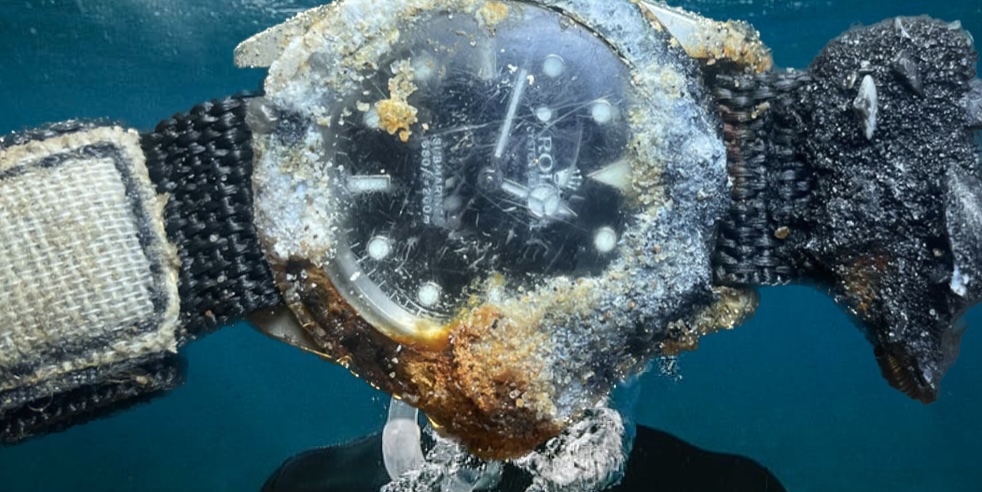
Its early history reads like the first movement of an epic. In 1910, one of its wristwatches received a Swiss chronometric precision certificate, lending scientific authority to what might otherwise have remained a commercial promise. In 1926 came the Oyster, the first waterproof wristwatch, a creation so important that it became less a product than a declaration. Here was a watch meant for exposure. When Mercedes Gleitze crossed the English Channel wearing an Oyster, Rolex, advertising durability, staged an act of modern myth-making. The watch emerged from water merely intact, symbolically reborn.
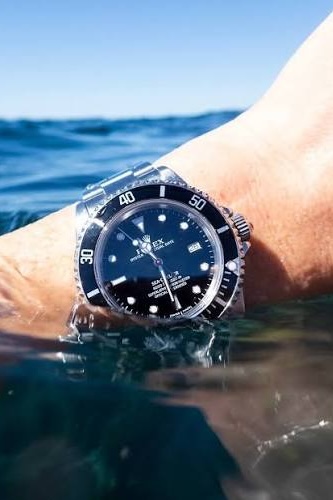
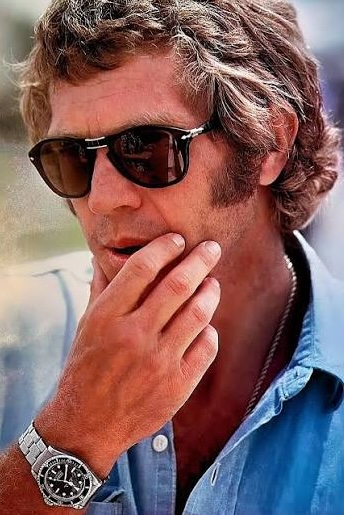
From there, the legend widened, the Perpetual movement gave motion to continuity itself. The Datejust and Day-Date clothed utility in prestige. Then came the Submariner, perhaps the brand’s most poetic commercial creation: a watch that made the abyss wearable. With it, Rolex bound itself forever to the underwater world, turning the sea into both proving ground and metaphor. The diver’s watch became the gentleman’s emblem, function became culture.
Soon or late, all epics meet resistance. In the 1970s, the Quartz Crisis swept through the Swiss watch industry like a cold, efficient storm. Cheap, accurate quartz watches threatened the old mechanical order. Many brands faltered. Rolex refused to surrender its deeper identity. It did not abandon innovation, neither did it betray the mechanical soul that gave the brand its gravity. That restraint was strategic self-knowledge into conservatism alone.
Today the challenge is different, quieter, and in some ways more dangerous: Rolex is threatened by the consequences of its own desirability. Demand surges beyond supply. Waiting lists lengthen into myths of frustration. Dealers become gatekeepers. The secondary market turns watches into speculative assets. And around all this hangs a growing suspicion: is scarcity still noble when it begins to feel orchestrated? Rolex now faces the tension between sacred distance and customer alienation.
Analysis
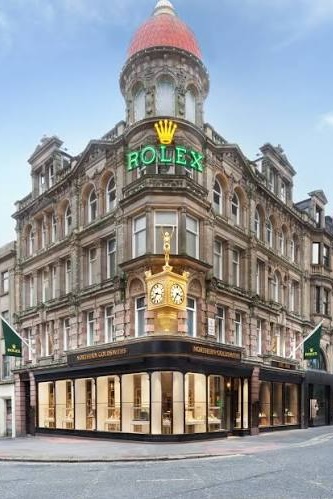
The genius of Rolex lies in its ability to make several powerful truths appear as one.
First, Rolex built itself as a pioneer. Precision was not enough: it had to be dramatized. Waterproofing was not enough: it had to be tested against the living world. The brand understood that technical innovation becomes unforgettable only when placed inside a human story. Thus the sea, the summit, and the expedition became chapters in the brand’s commercial scripture. Rolex did not ask customers to admire a mechanism. It asked them to admire what the mechanism could survive.
Second, Rolex mastered the art of the companion narrative. Its watches are portrayed as ornaments and, mainly, as loyal presences beside human ambition. In the underwater imagination of the brand, this becomes especially potent. Beneath the sea, no one wear vanity, only trust. The Submariner and the wider diving heritage allowed Rolex to present luxury not as softness, but as hardened capability. This is one of its rarest achievements: it made prestige feel earned.
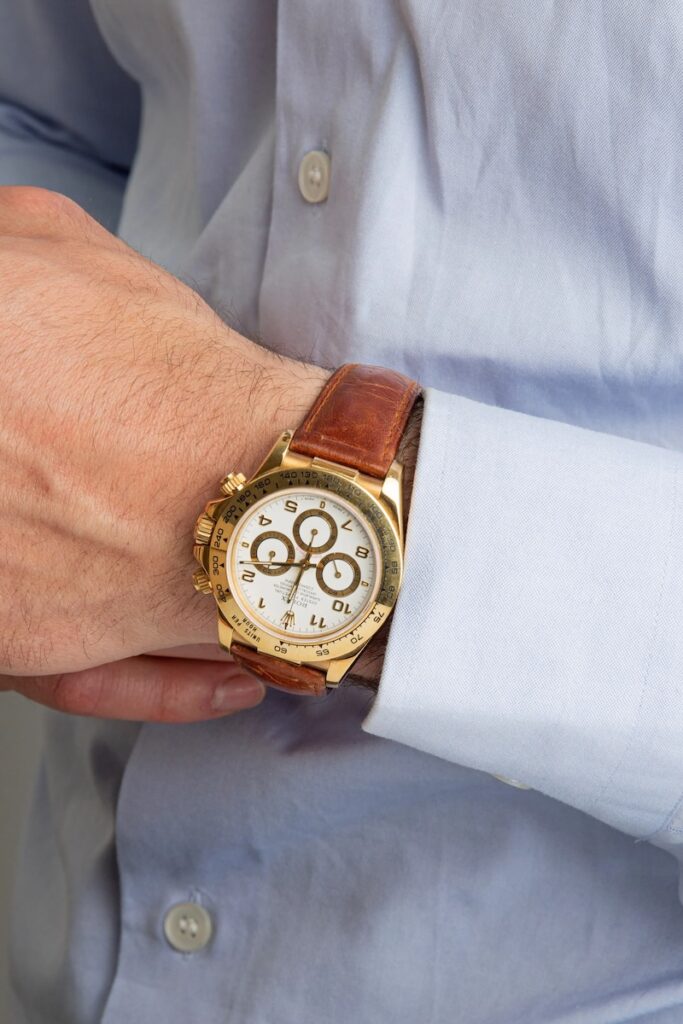
Third, Rolex has been disciplined where many competitors were restless: its product philosophy is evolutionary rather than revolutionary. It refines more than it reinvents. This slow continuity creates the impression that each model belongs to a lineage rather than a trend. In business terms, such discipline produces immense value: it protects brand recognizability, it reduces the risks of fashion-driven volatility, it reinforces trust in quality, it turns continuity into prestige
Fourth, the company’s independence matters enormously. Rolex is selling watches from within the logic of a larger luxury portfolio, preserving the aura of a sovereign institution. This independence deepens the myth of singularity, it suggests that Rolex answers only to its own standards, and perhaps to time itself.
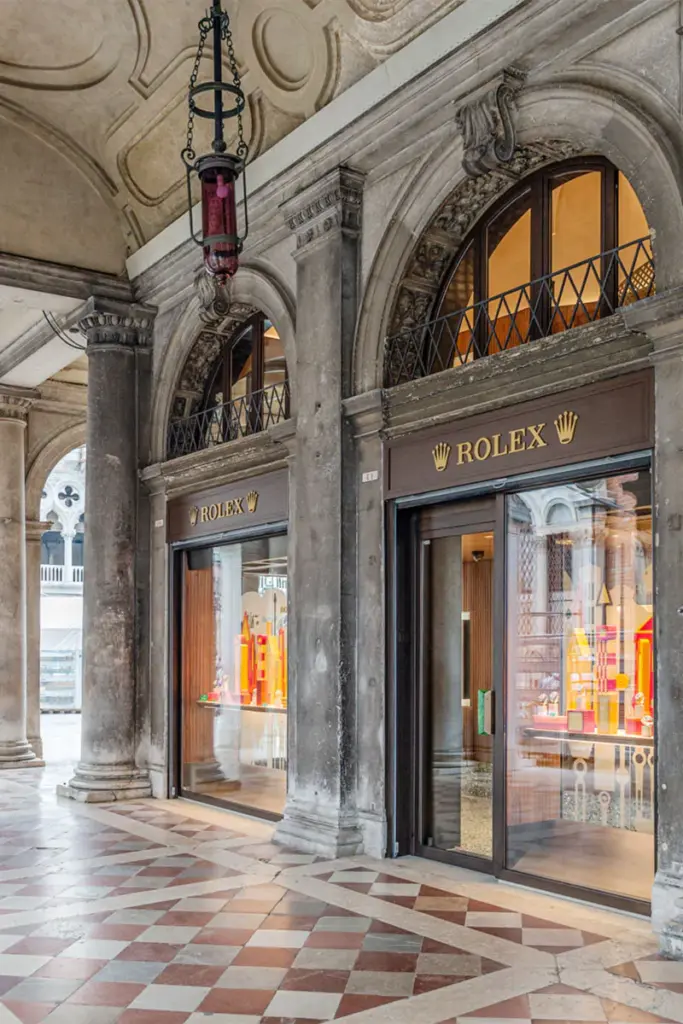

Yet every strength casts a shadow.
Scarcity, has been one of Rolex’s sharpest strategic tools. Limited availability intensifies desire, preserves resale value, and keeps the brand suspended above ordinary consumption. Scarcity is also a dangerous instrument: when too successful, it ceases to create longing and begins to produce resentment. The customer no longer feels invited into excellence, only held outside the gate.
Likewise, discretion has long been part of Rolex’s charisma. The brand speaks softly, reveals little, and allows silence to perform part of the work. Somtimes in the modern market, silence can be misread as opacity. Consumers increasingly want clarity about allocation, production, and values. What once looked like mystery may now, in certain contexts, look like evasion.
So Rolex’s model remains magnificent, but not frictionless. It is a fortress built of quality, heritage, and narrative control. The question is whether the drawbridge has been raised too high.
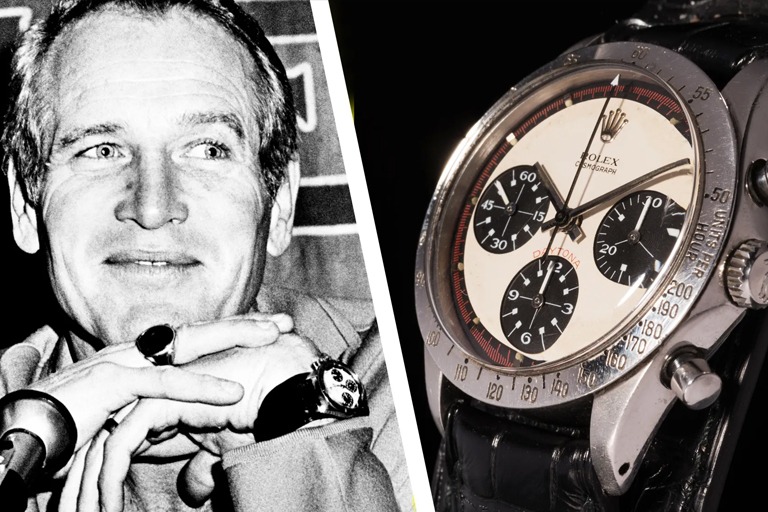
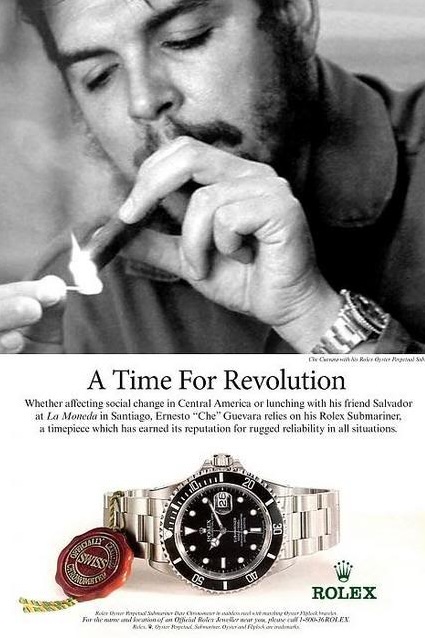
Possible actions
Rolex should not seek reinvention, as this is for brands unsure of themselves: Rolex knows exactly what it is. What it needs instead is a subtle and almost literary adjustment: a way of remaining monumental while becoming more legible to the modern customer.
A first option should be to practice measured transparency. Rolex must preserve its mystique, which should not depending on confusion. The company can offer more clarity about allocation systems, waiting-list logic, and production philosophy without vulgarizing the brand. In fact, selective openness may strengthen the dignity of its distance.
The second option should be to restore fairness to exclusivity. A rare object can still feel justly distributed. Rolex should refine customer access through more coherent waiting-list management, clearer communication from authorized dealers, digital verification tied to client history, stronger mechanisms against speculative flipping. These steps would not weaken desire, more refine it.
The third proposal should be to return with force to the brand’s underwater soul. In the Rolex imagination, the sea is origin myth. That heritage should be renewed through partnerships in marine science, ocean preservation, and exploration. Such a move would do more than refresh marketing. It would reconnect Rolex to a form of contemporary heroism, one rooted in conquest and in stewardship. The watch that once accompanied descent into the abyss could now also symbolize responsibility toward it.
The fourth proposal is deeper digital storytelling. The digital world offers a stage on which craftsmanship, testing, exploration, and history can be narrated with cinematic power. Customers should feel, before purchase, that they are entering a world rather than browsing a catalog.
The fifth proposal concerns the secondary market, where Rolex’s prestige is both celebrated and distorted. The company should strengthen official certified pre-owned pathways and authentication systems. If Rolex does not shape the afterlife of its watches, others will continue to do so for profit, often without protecting the full dignity of the brand.
In essence, Rolex should preserve its pillars while softening its frictions: keep the myth, keep the mechanical integrity, keep the scarcity, increase fairness, clarity, and narrative relevance.
It is mastery of modernity.
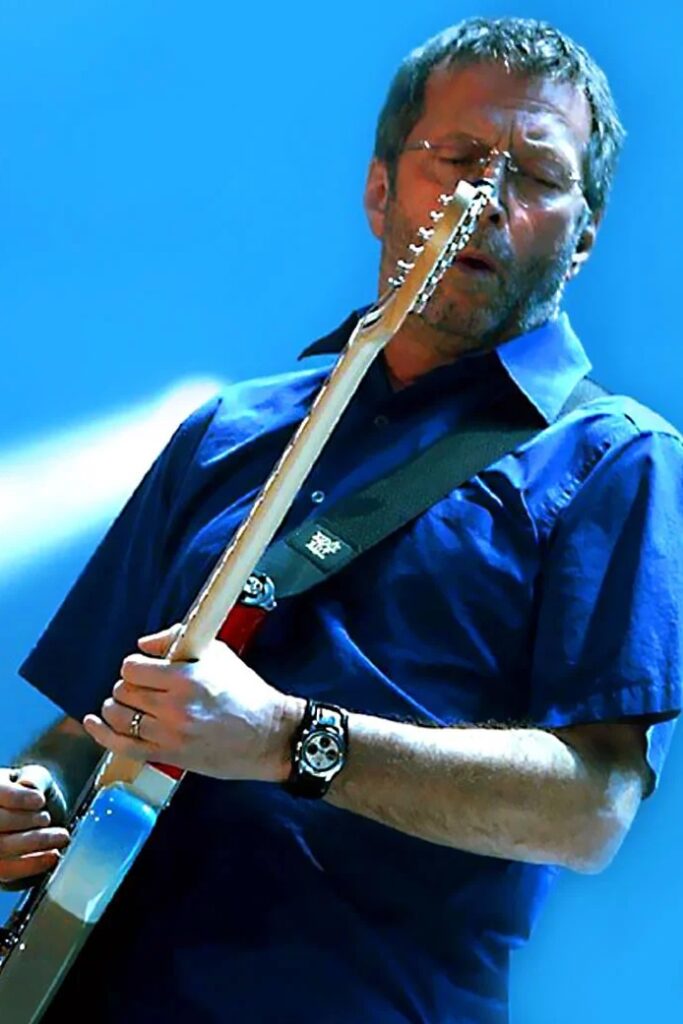

Conclusions
Rolex endures because it learned a rare lesson: a product becomes immortal when it can live simultaneously in matter and imagination. Steel alone does not explain Rolex, nor does marketing alone. Its real power has always come from the fusion of technical proof and symbolic depth. The waterproof case, the diver’s resistance, the pulse of the mechanical movement beneath the sea, these are more than features: they are the grammar of a legend.
Even legends must breathe in the present tense. Rolex now confronts the management of overwhelming desire. Its danger is the over-distance, the possibility of seeming sealed off from those who admire it most.
If the company can modernize with restraint, clarifying without overexposing, opening without diluting, evolving without betraying its nature, then its future will resemble its past in the best possible way: steady, sovereign, and resonant. Rolex will continue to mark more than hours. It will continue to mark the human wish to endure pressure without losing form.
And so the beat goes on, deep in the abyss: measured, secretive, and enduring. As the sound of a watch, as the sound of a brand that learned how to make time feel heroic.