





There was a time when Federico Marchetti looked at the internet and saw a digital runway instead a cold network of wires. In the year 2000, the world was still mourning the dot-com crash, and YOOX emerged from Italy as a defiant dream: the promise that luxury could live online. It was a bridge between the dusty warehouses of fashion’s past and the high-speed reality of its future.
For a decade, it was the gold standard, a pioneer that taught the world how to click for couture, but even the brightest stars can flicker. The very digital horizon that YOOX helped define eventually moved beyond its reach, leaving an empire to reconcile its glorious heritage with a restless, impatient future.
Context
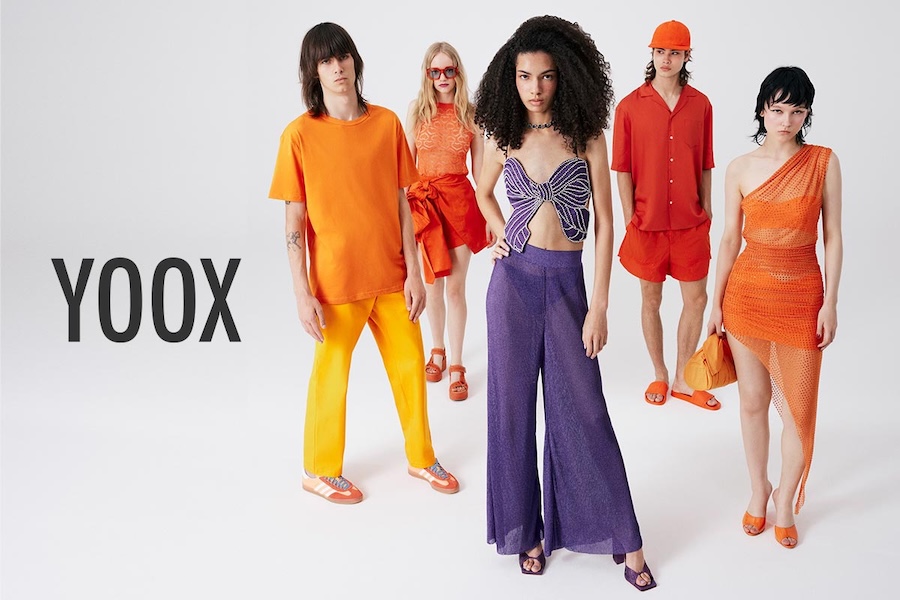
YOOX was born in the heart of the Made in Italy era, spoking a new language: binary. In the early 2000s, luxury fashion houses were terrified of the internet. They feared the screen would cheapen the silk, that a mouse-click would destroy the ritual of the boutique. Marchetti offered them a bright side: a discreet, elegant way to clear out unsold collections without appearing in a discount bin.
YOOX became the world’s most sophisticated outlet. It was a treasure hunt for the stylish, a place where a dress from last season could find a second life in a different hemisphere. As it grew, it didn’t just sell clothes; it sold the Italian lifestyle. When it merged with Net-a-Porter in 2015, it felt like a coronation: two giants joining forces to create the undisputed Sun in the luxury e-commerce galaxy. At that moment, YOOX was more than a company: the manifestation of a digital fashion revolution.
Challenge
The weight of a crown can be heavy. After the merger, the bright side of YOOX began to cast a long shadow. The challenge was surviving the monster they had helped create and no longer about proving that people would buy luxury online. Integrating two massive corporate cultures was like trying to stitch together two different fabrics with invisible thread; eventually, the seams began to pull.
While YOOX wrestled with internal complexity and aging technology, the world outside was moving at light-speed. The dark side emerged: a website that began to feel like a relic of the early web, a customer service experience that couldn’t keep up with the on-demand expectations of the Amazon era, and a logistics chain that groaned under the pressure of global scale.
The pioneer was suddenly being outrun by its own disciples. The emotional connection, the magic of the discovery, was being buried under the friction of a platform that had grown too large to pivot.

Analysis
The story of YOOX is a classic tragedy of the first-mover. To analyze its trajectory is to see how innovation, once institutionalized, can become its own worst enemy.
YOOX built its kingdom on a 2000s’ era vision of the web: as mobile-first shopping and social commerce rose, YOOX’s interface remained rigid. In the emotional world of fashion, the digital store is the brand: when that store feels dated, the luxury feels less luxurious.
The Merger’s Heavy Toll
The union with Net-a-Porter was supposed to be a dream marriage, but it became an operational nightmare.
-
Technical Debt: Trying to merge two different tech stacks led to delays and bugs.
-
Cultural Friction: The nimble, entrepreneurial spirit of the early Italian years was diluted by corporate hierarchies.
The Logistics of Disenchantment
In the early days, waiting two weeks for a designer bargain felt like a fair trade. In 2024, it feels like an eternity. Competitors as Farfetch pioneered models that required no inventory, while YOOX remained tied to its physical warehouses. The source document notes that when things went wrong, a delayed refund, a wrong item, the dark side of the e-commerce experience completely broke the customer’s emotional bond with the brand.
Loss of Pulse
Luxury is about being ahead of the curve. By focusing so heavily on clearing old stock (its original brilliance), YOOX missed the opportunity to lead the conversation on what’s next. It stayed a warehouse when it needed to become a community.

How does a legend reclaim its magic?
The Digital Rebirth
Stop trying to update and start trying to reimagine. This means a bold, minimalist, mobile-first interface that feels like a high-end magazine rather than a catalog. AI should be used not just for search, but as a digital personal shopper that remembers the user’s taste, making every visit feel like a curated discovery rather than a hunt through a sale rack.
Emotional Logistics
The dark side identified in your source, the cold, frustrating post-purchase experience, must be transformed. Returns should be effortless. Packaging should remain as an unboxing event. The goal is to make the customer feel valued even when a product isn’t right.
Beyond the Outlet
YOOX should lean into its Italianity. It can move from being an outlet to a curator of exclusivity, offering limited collaborations and vintage archival pieces that aren’t available anywhere else. This restores the prestige of the find.
The Human Connection
In a world of bots, YOOX needs a human voice. Editorial content, storytelling about the designers, and a presence in the real world (pop-ups or physical touchpoints) can bridge the gap between pixels and people.
Strategic Advice for the New Era
The lesson for any company reading the YOOX story is this: Never let the operational scale eat your entrepreneurial agility. You must be willing to burn your old model to stay warm in the new winter.
Conclusions
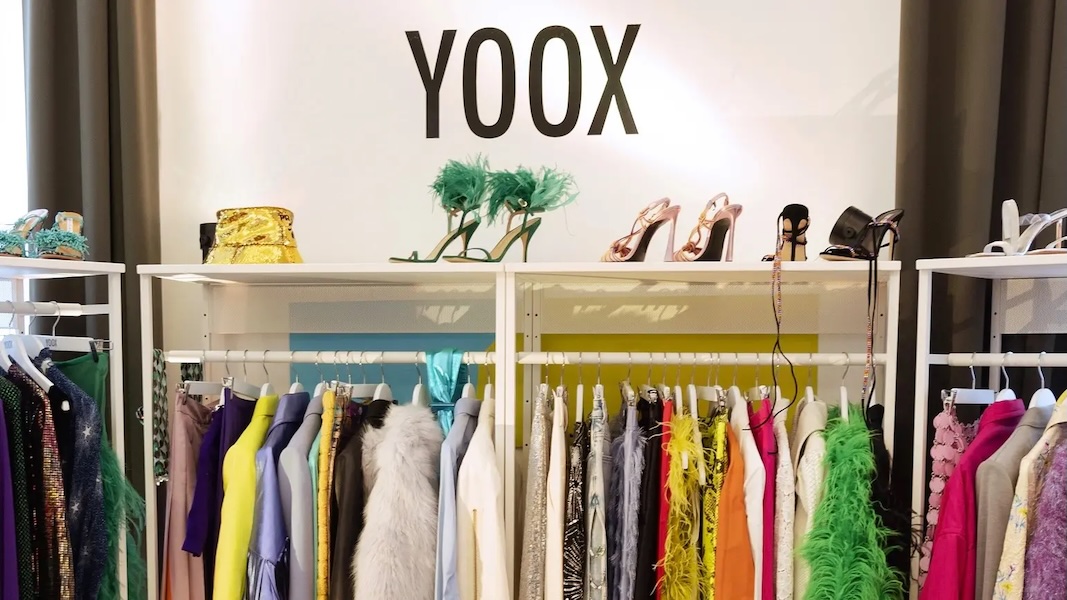
YOOX’s journey is a beautiful, bittersweet epic. It proved that Italy could lead the digital world, and for a long time, it was the heartbeat of online fashion. Its leadership decline is not the story of a bad idea, but the story of a pioneer who stopped exploring.
Foundations remain: the brand still carries the memory of that early Marchetti brilliance. If YOOX can find the courage to reconnect with its bright side, its passion for discovery and its eye for beauty, it can move beyond being a warehouse for the past and become, once again, a compass for the future.